The Ultimate Guide to Women’s Tops: Building a Sophisticated, Versatile and Timeless Wardrobe
The most successful women's wardrobes are built around pieces that work harder. A thoughtfully selected top can change the character of an entire outfit, transition between occasions, support multiple seasons, and create dozens of combinations without requiring an oversized wardrobe. The modern approach to women's tops is therefore about more than trends: it is about proportion, fabric, comfort, versatility, color, construction, and intelligent styling.
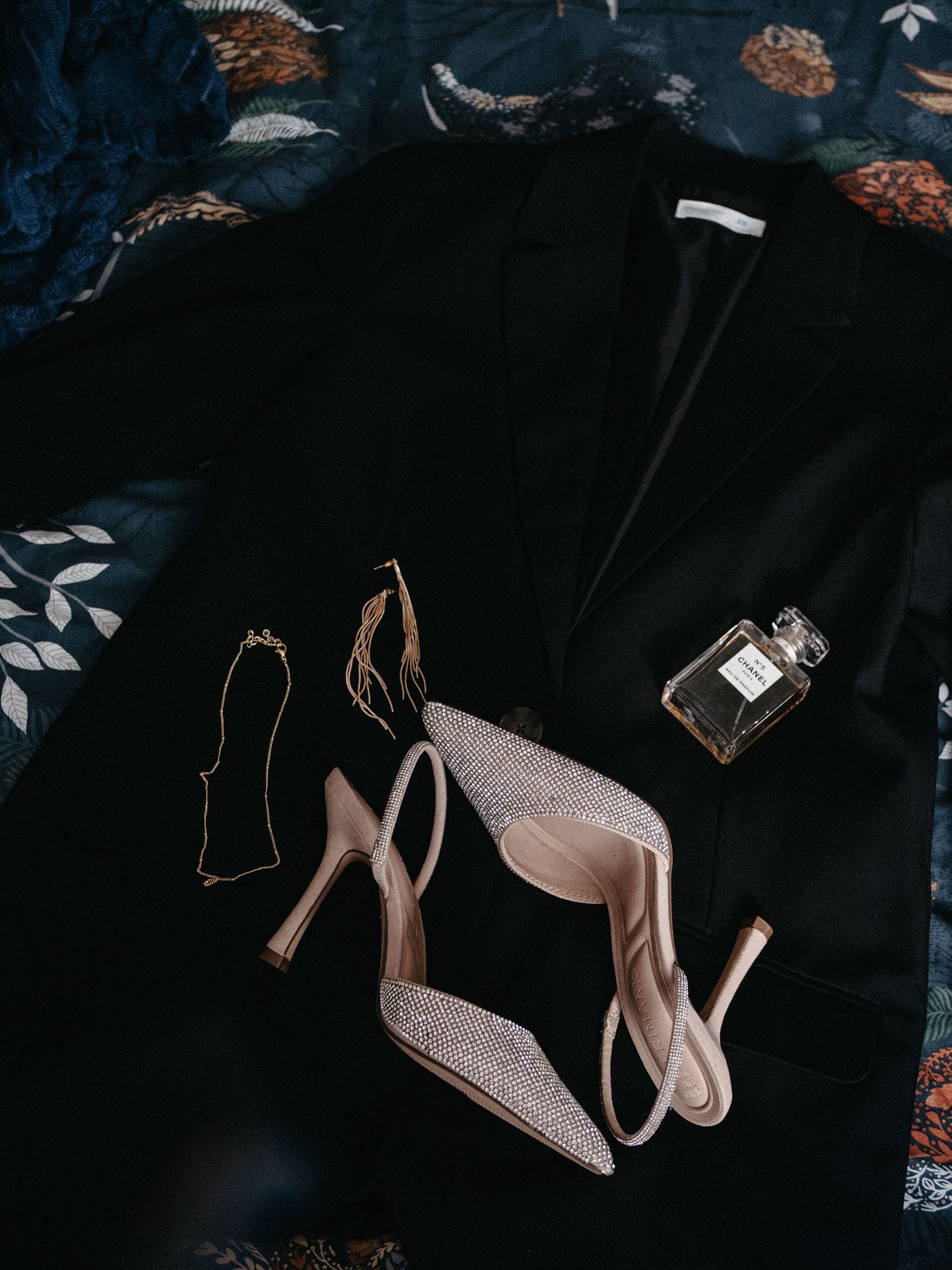
An elegant flat-lay composition demonstrating how coordinated wardrobe elements can create a polished fashion story.
1. The New Role of Women's Tops in Modern Wardrobes
Women's tops have evolved from simple supporting garments into some of the most important components of contemporary personal style. A top can determine whether an outfit feels casual, professional, luxurious, minimalist, relaxed, youthful, classic, or fashion-forward. Because it occupies such a prominent position on the upper body, its neckline, sleeve shape, fabric, color, and silhouette can influence the entire visual balance of an outfit.
The modern wardrobe is increasingly focused on flexibility. Instead of purchasing separate clothing for every individual situation, many women prefer garments that can adapt. A single top might be worn with denim during the day, tailored trousers for work, and a more refined skirt for an evening occasion. This makes versatile tops particularly valuable for people who want to simplify their wardrobes without sacrificing style.
The women's classic cotton T-shirt represents this principle particularly well. Its clean construction can support casual outfits, layered combinations, relaxed tailoring, and minimalist styling. It does not need dramatic decoration to become useful; its strength comes from compatibility.
At the opposite end of the spectrum, polished blouses can introduce refinement, while oversized silhouettes provide relaxed volume and contemporary character. Ribbed tops add texture, long-sleeve basics support layering, and satin button-ups provide an elevated finish.
Understanding how these categories interact makes shopping more strategic. Instead of seeing every garment as an isolated purchase, the wardrobe becomes a connected system in which individual tops support multiple outfits.
2. The Six Core Top Categories Every Flexible Wardrobe Should Understand
There is no universal formula for the perfect wardrobe, but several categories repeatedly prove useful because they solve different styling requirements. The most practical approach is to understand what each category contributes and then determine how much of it is appropriate for an individual lifestyle.
Classic Cotton Tops
Reliable everyday foundations that can be worn alone, tucked into bottoms, layered beneath jackets, or styled with statement accessories.
Oversized Crew Necks
Relaxed silhouettes that create modern volume and bring comfort into contemporary casual wardrobes.
Ribbed Short Sleeves
Textured tops that add dimension and definition while remaining practical for everyday dressing.
Long-Sleeve Basics
Adaptable layering pieces that help extend wardrobes into cooler weather and transitional seasons.
V-Neck Blouses
Polished pieces that can bridge the gap between everyday clothing and professional dressing.
Satin Button-Ups
Elegant pieces that add sheen, movement, and sophistication to both daytime and evening combinations.
These categories are not mutually exclusive. A wardrobe can contain multiple versions of one category while using another category sparingly. Someone who spends most of the week in a casual environment may need several everyday tops but only one or two polished blouses. Someone with a formal workplace may make the opposite choice.
3. How to Build a Wardrobe Around Real Life
One of the biggest mistakes in wardrobe planning is beginning with an abstract idea of what a wardrobe “should” contain rather than examining how clothing is actually used. The best collection of women's tops is the one that matches real routines.
Start by identifying the most common activities in an average week. Work, commuting, social events, weekends, travel, exercise-related errands, dinners, and informal gatherings may all require different levels of polish.
Next, consider the climate. A warm environment may increase the importance of breathable short-sleeve fabrics, while cooler conditions make long sleeves and layering pieces more valuable. Transitional climates often benefit from lightweight pieces that can be combined with jackets and cardigans.
Finally, examine existing bottoms. Tops are only as versatile as their ability to connect with trousers, jeans, skirts, shorts, and other garments already owned.
Wardrobe-building principle: Do not ask only whether a top looks good by itself. Ask how many complete outfits it can help create. A garment that works with six existing pieces may provide more practical value than a dramatic piece that works with only one.
4. Fabric Is the First Major Quality Decision
Fabric affects appearance, comfort, durability, movement, breathability, drape, and maintenance. It can also determine whether a top feels appropriate for a specific occasion.
Cotton is widely valued for everyday dressing because of its familiar hand feel and versatility. It can create casual, clean, and timeless looks depending on the cut and styling.
Ribbed fabrics provide a more dimensional surface. Their texture can make a simple top feel more intentional without relying on graphic prints or elaborate decoration. A ribbed short-sleeve women's top can therefore become an important bridge between basic dressing and more detailed styling.
Satin, by contrast, has a smooth surface and noticeable light reflection. It works particularly well when paired with matte fabrics because the contrast creates visual depth.
For long sleeves, fabric weight is especially important. A lightweight material can function comfortably beneath a blazer, while a heavier fabric may be better as a standalone top.
Fabric selection should also take maintenance into account. A garment that requires unusually complicated care may be less practical for frequent wear, even if it is visually attractive.
5. Understanding Fit Beyond the Size Label
Size labels are useful reference points, but they should never be treated as the complete definition of fit. Different brands, patterns, fabrics, and silhouettes can create significantly different proportions.
The shoulder area is one of the first places to inspect. A seam that sits correctly can make a top look polished, while an intentionally dropped shoulder creates a more relaxed appearance.
The torso should also provide the right amount of ease. A fitted garment needs enough room for movement, while a relaxed garment should appear intentionally designed rather than simply oversized by accident.
Sleeve length changes the visual proportion of the entire top. Short sleeves create a lighter warm-weather appearance, while long sleeves introduce coverage and layering potential.
A carefully selected women's long-sleeve basic top can be particularly valuable because it can function independently while also fitting smoothly beneath other garments.
6. Necklines and the Visual Architecture of an Outfit
Necklines deserve more attention than they often receive. They sit close to the face and can influence the visual relationship between the upper body, jewelry, hairstyle, and outer layers.
Crew necks are among the most universally adaptable choices. Their simple rounded shape works naturally with casual clothing and can provide an excellent background for necklaces.
V-necks introduce a vertical opening and can create a lighter appearance around the neckline. They work particularly well with polished blouses and sophisticated casual outfits.
Higher necklines can create a more structured or minimalist aesthetic. Wider necklines can introduce a horizontal element and may pair well with simple earrings or restrained accessories.
The women's V-neck blouse is especially versatile because it can occupy both professional and refined casual spaces depending on fabric, fit, and styling.

A warm seasonal flat lay illustrating the relationship between clothing texture, accessories, and relaxed wardrobe styling.
7. Oversized Tops and Contemporary Proportion
Oversized clothing remains relevant because it combines comfort with a relaxed visual language. However, successful oversized styling requires intentional proportion.
When the top has significant volume, the bottom can provide contrast through a straighter or narrower silhouette. This does not mean that wide trousers cannot be worn with an oversized top; rather, the entire combination should be considered as one shape.
Partial tucking is another effective technique. It introduces a small amount of definition while preserving the relaxed character of the garment.
The women's oversized crew neck T-shirt is a useful example of a garment that can become either extremely casual or surprisingly polished depending on what surrounds it.
The Volume Balance Rule
When one major garment is intentionally oversized, allow at least one other element to provide structure. This can come from the bottom silhouette, a belt, footwear, a structured bag, a jacket, or a carefully placed tuck.
8. The Importance of Texture in Minimalist Fashion
Minimalist dressing can sometimes appear visually flat if every item has the same surface. Texture solves this problem without introducing complicated patterns.
Ribbing, satin, denim, brushed cotton, knitwear, woven fabrics, and leather accessories all create different levels of visual depth.
For example, a smooth satin blouse can become more sophisticated when combined with matte tailored trousers. A cotton T-shirt can feel more substantial beneath a textured cardigan. A ribbed top can add subtle vertical interest to an otherwise simple outfit.
Texture is particularly powerful in monochromatic dressing. When several garments share a similar color family, differences in surface and construction prevent the outfit from looking one-dimensional.
9. The Classic Cotton T-Shirt: The Wardrobe's Quiet Hero
The classic T-shirt may be one of the simplest garments in a wardrobe, but its styling potential is extraordinary. Its strength comes from its neutrality.
A clean cotton T-shirt can work with jeans, trousers, skirts, shorts, tailored jackets, cardigans, and casual outerwear. It can be tucked in, left loose, layered, accessorized, or used as a quiet foundation beneath a more expressive garment.
Its versatility also makes color particularly important. White, black, cream, gray, navy, and muted earth tones are generally easy to coordinate with other wardrobe pieces.
When evaluating a basic T-shirt, inspect the neckline, sleeve proportion, fabric weight, stitching, opacity, and overall length. Small construction details can significantly influence whether the garment looks premium and remains attractive after repeated wear.
A dependable classic cotton T-shirt for women should ideally be considered a wardrobe foundation rather than simply another casual item.
10. Ribbed Tops: Small Texture, Major Impact
Ribbed tops are particularly effective when a wardrobe needs texture without visual complexity. The rib structure creates subtle lines that can add depth to neutral colors.
They can be fitted or relaxed, depending on the desired aesthetic. A closer silhouette works well beneath a blazer or cardigan, while a slightly relaxed ribbed top can become the central element of a casual outfit.
Ribbed textures can also create a more refined appearance than a completely plain surface. This makes them useful when building outfits around simple bottoms.
A ribbed short-sleeve top paired with straight denim, a belt, and polished footwear can feel considerably more intentional than a basic T-shirt worn with the same jeans.
11. Long-Sleeve Basics as Transitional Essentials
Long-sleeve tops are among the most efficient wardrobe pieces because they solve both seasonal and layering challenges.
In moderate weather, a long-sleeve top can be worn alone with trousers or jeans. When temperatures drop, it can become a foundation beneath jackets, coats, sweaters, vests, and cardigans.
Neutral colors are particularly effective because they allow outer layers to become the visual focus.
The women's long-sleeve basic collection can therefore provide an understated but essential component of a flexible wardrobe.
12. Blouses and the Art of Looking Polished
A blouse can instantly change the level of formality in an outfit. Compared with a basic T-shirt, a blouse often introduces more structured construction, refined fabric, or decorative detail.
This does not mean every blouse needs to be formal. Modern blouse designs can be relaxed, oversized, minimalist, romantic, architectural, or highly sophisticated.
V-neck blouses are especially useful because the neckline can create a refined vertical line without requiring excessive decoration.
For professional dressing, pair a polished blouse with tailored trousers and understated accessories. For a more relaxed environment, combine the same blouse with dark denim and simple footwear.
13. Satin Button-Ups and the Luxury of Simplicity
Satin is one of the easiest fabrics for introducing an elevated mood into a wardrobe. Its reflective surface creates visual movement and can make a simple silhouette feel luxurious.
A satin button-up can be styled in several ways. Worn closed, it creates a polished blouse. Worn partially open, it can create a relaxed neckline. Worn open over a fitted top, it becomes a lightweight layering piece.
The women's satin button-up blouse is particularly useful when a wardrobe needs a garment that can transition from daytime sophistication to evening styling.
The secret to wearing satin successfully is contrast. Pairing it with denim, cotton, matte tailoring, or understated accessories keeps the outfit balanced.
Styling formula: Let satin provide the shine while the rest of the outfit provides restraint. One polished focal point is often more sophisticated than several competing statement elements.
14. A Professional Specifications Framework for Women's Tops
| Feature | Everyday Top | Professional Blouse | Relaxed Oversized Top | Evening Top |
|---|---|---|---|---|
| Primary Fabric | Cotton or soft blends | Woven, structured or refined fabrics | Soft cotton or relaxed jersey | Satin or fluid woven fabric |
| Silhouette | Classic or lightly relaxed | Defined and polished | Loose and comfortable | Fluid, elegant or refined |
| Best Use | Daily wear | Office and smart casual | Weekend and leisure | Dinners and special occasions |
| Layering Potential | Excellent | Excellent | Moderate to high | Moderate |
| Styling Direction | Casual to polished | Professional | Relaxed contemporary | Elegant and sophisticated |
| Key Advantage | Maximum compatibility | Instant refinement | Comfort and volume | Texture and visual luxury |
15. How to Style Women's Tops With Jeans
Jeans provide one of the most adaptable foundations for tops. Their casual nature means that almost any top can be adjusted around them by changing accessories, footwear, and proportions.
A cotton T-shirt creates a classic casual combination. A ribbed top introduces a more defined silhouette. An oversized crew neck creates relaxed volume, while a satin button-up can elevate denim for dinner or social occasions.
Dark denim generally supports more polished tops, while lighter washes tend to create a relaxed appearance. Straight-leg jeans can work with almost every major top category, making them particularly valuable in a capsule wardrobe.
Accessories can completely change the result. Sneakers create a casual mood, loafers increase polish, and elegant footwear can move a simple blouse-and-denim combination toward evening territory.
16. Styling Tops With Tailored Trousers
Tailored trousers create an immediate sense of structure. They can make casual tops appear more sophisticated and allow the same wardrobe to function in professional environments.
A classic cotton top tucked into tailored trousers can create a contemporary smart-casual outfit. A fitted ribbed top can work beneath a blazer, while a V-neck blouse can create a more traditional professional combination.
Wide-leg trousers are especially useful with more fitted tops because the contrast between upper and lower proportions creates balance. Straight trousers can work equally well with relaxed tops.
The important principle is not to follow one rigid formula. Instead, observe the silhouette created by the complete outfit.
17. Styling Tops With Skirts
Skirts introduce additional opportunities for proportion, texture, and femininity. A simple T-shirt can make a polished skirt feel more relaxed, while a blouse can make a casual skirt appear more refined.
Fitted tops generally work naturally with fuller skirts because they prevent excessive volume around the torso. Oversized tops can also work, particularly when partially tucked or paired with a straighter skirt.
Satin tops can create an elegant tonal combination with flowing skirts, while ribbed tops provide contrast against smooth materials.
For everyday wardrobes, a neutral top paired with a versatile skirt can create a dependable outfit formula that requires minimal styling decisions.
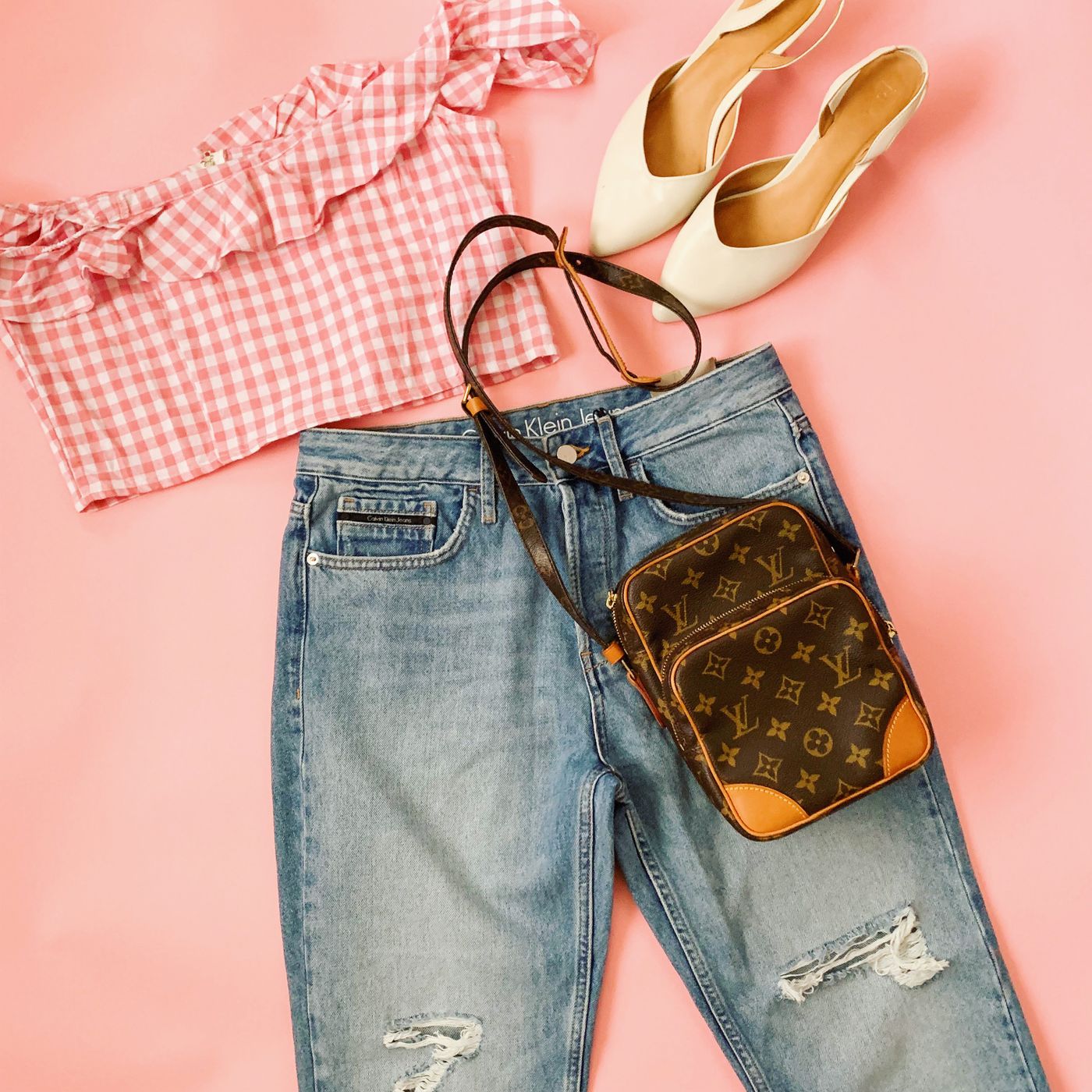
A clean summer fashion composition highlighting the value of coordinated colors, accessories, and simple silhouettes.
18. Color Planning for a Cohesive Wardrobe
Color planning is one of the most effective ways to increase wardrobe versatility. A carefully chosen palette allows individual tops to connect naturally with numerous bottoms and outer layers.
Neutral colors form a dependable foundation. White, cream, black, gray, navy, beige, taupe, and brown can all contribute to a flexible wardrobe.
Accent colors can then be introduced according to personal taste. Deep green, burgundy, dusty rose, muted blue, lavender, terracotta, and rich chocolate can add personality without making coordination difficult.
Another sophisticated strategy is tonal dressing. Several pieces from the same color family can be combined while using different textures to create depth.
For example, a cream cotton top can work with beige trousers, a camel jacket, and tan accessories. The colors remain related while the different materials prevent the outfit from appearing flat.
19. How to Use a Women's Clothing Brand Collection Strategically
Browsing a broad women's clothing brand collection can be more productive when the search begins with a defined wardrobe objective.
Instead of browsing without direction, identify the missing category first. Perhaps the wardrobe needs a polished blouse, a dependable long-sleeve base, a relaxed weekend top, or a refined evening option.
This approach reduces duplication and makes comparisons easier. When shopping, compare fabric, silhouette, color, neckline, sleeve construction, and compatibility with existing clothing.
A professional wardrobe is rarely built through random purchases. It develops through repeated decisions that strengthen the relationship between individual pieces.
20. The Three-Layer Styling Method
Layer One: Foundation
Begin with the primary top and bottom. The foundation establishes the basic silhouette and color direction.
Layer Two: Structure
Add a blazer, cardigan, jacket, vest, or other layer that introduces shape and visual depth.
Layer Three: Finish
Complete the outfit with shoes, jewelry, handbags, belts, scarves, or other accessories.
Final Adjustment
Check proportion, color balance, comfort, and the level of formality before considering the outfit complete.
This method is particularly useful when working with simple tops. A basic garment can become sophisticated when the surrounding layers are carefully selected.
21. Women's Tops for Office Dressing
Professional wardrobes benefit from tops that maintain a polished appearance while allowing movement and comfort throughout the day.
V-neck blouses, refined long-sleeve tops, clean cotton designs beneath structured jackets, and understated satin button-ups can all contribute to an adaptable professional wardrobe.
Color should generally support the desired level of formality. Neutrals and muted colors tend to create easy combinations, while carefully selected accent colors can introduce personality.
Fit is particularly important in professional settings. Clothing should allow comfortable movement without excessive pulling or distracting volume.
Layering also matters because indoor and outdoor temperatures can differ significantly. A lightweight base beneath a structured jacket offers greater flexibility than relying on one heavy garment.
22. Women's Tops for Smart-Casual Dressing
Smart-casual dressing is where versatility becomes particularly valuable. The objective is to combine comfort with visible intention.
A classic cotton T-shirt can become smart casual when paired with tailored trousers and refined footwear. A ribbed top can work with dark denim and a blazer. An oversized crew neck can be balanced with structured bottoms and sophisticated accessories.
Smart-casual styling often depends more on the combination than on any individual item. Even a very simple top can appear polished when the surrounding pieces are carefully selected.
23. Women's Tops for Weekend Style
Weekend dressing typically prioritizes comfort, but comfort does not require sacrificing visual coherence.
Oversized tops are natural choices for relaxed days. Cotton T-shirts and ribbed short sleeves are also practical because they can be worn with denim, casual trousers, shorts, or relaxed skirts.
Accessories can prevent a casual outfit from feeling unfinished. A structured bag, clean sneakers, sunglasses, or understated jewelry can add polish without compromising comfort.
For cooler weekends, long-sleeve basics can be layered beneath jackets, overshirts, or sweaters.
24. Women's Tops for Travel
Travel wardrobes require exceptional versatility. Every garment must justify its place in the luggage by working across multiple outfits.
A strong travel selection might include a neutral cotton top, a ribbed option, a long-sleeve layer, an oversized casual piece, and one polished blouse.
The same bottoms can then be reused with different tops. This creates variety while keeping the total number of garments manageable.
Fabric weight is especially important when packing. Lightweight tops can save space and dry more easily when appropriate. Neutral colors also simplify coordination.
A satin button-up can be particularly useful for travel because it can function as an evening piece while also serving as an open layer over a simple base top.
25. Choosing Tops for Different Body Proportions
Styling advice should not be reduced to rigid rules about body types. Personal preference, comfort, cultural context, and individual style are equally important. Nevertheless, proportion can be used as a useful visual tool.
Someone who prefers a defined waist may choose fitted tops or partial tucks. Someone who values relaxed dressing may prefer oversized silhouettes. Someone who enjoys long vertical lines may favor V-neck shapes and longer layers.
The goal is not to “correct” the body. Instead, clothing can be used intentionally to create the silhouette that the wearer prefers.
Proportion becomes especially important when combining different volumes. A roomy top with a wide-leg trouser creates a very different visual effect from the same top with a slim straight-leg bottom.
26. How to Make Simple Tops Look Expensive
Luxury-looking styling does not necessarily require expensive garments. It often depends on restraint, fit, fabric, grooming, and coordination.
Start with clean proportions. A well-fitting basic top can look more sophisticated than an elaborate garment with poor fit.
Next, control the color palette. Neutral combinations often create an immediately refined appearance, especially when different textures are introduced.
Accessories should be intentional rather than excessive. A structured handbag, polished shoes, a quality-looking belt, or simple jewelry can elevate a basic top.
Finally, pay attention to garment care. Wrinkles, stretched necklines, visible lint, and worn surfaces can reduce the polished appearance of otherwise attractive clothing.
27. The Relationship Between Tops and Accessories
Accessories should support the neckline, silhouette, and overall visual weight of the top.
A simple crew neck can support a necklace, while a V-neck can provide space for a pendant. High-neck tops may work better with earrings or bracelets.
Belts are useful when an oversized or relaxed top needs more definition. Structured bags can provide contrast against soft silhouettes, while relaxed bags can complement casual cotton pieces.
Footwear also influences the interpretation of the top. Sneakers tend to make even a blouse feel casual, while loafers, boots, pumps, or refined sandals can move the same garment toward a more polished direction.
28. Building a Capsule Wardrobe With Six Top Categories
A compact wardrobe can be surprisingly versatile when it contains complementary categories rather than multiple versions of the same garment.
1. Classic Cotton: Provides the primary everyday foundation and works with almost every casual bottom.
2. Oversized Crew Neck: Adds relaxed volume and a contemporary weekend option.
3. Ribbed Short Sleeve: Introduces texture and a more defined casual silhouette.
4. Long Sleeve Basic: Provides transitional-season versatility and layering potential.
5. V-Neck Blouse: Adds professional polish and refined daytime styling.
6. Satin Button-Up: Introduces sophistication and creates an easy evening option.
The value of this structure comes from interaction. Each category solves a different problem, allowing the wardrobe to adapt without becoming unnecessarily large.
29. How to Shop More Intelligently for Women's Tops
Smart shopping begins before entering an online store or browsing a collection. First, identify what the wardrobe lacks.
If there are already many basic T-shirts, another nearly identical design may not create meaningful variety. A blouse or textured top could offer greater value.
If there are several elegant blouses but few everyday pieces, a cotton or ribbed top may solve a more important wardrobe problem.
Consider the number of existing garments that can be combined with the new top. Three combinations should be considered a useful minimum, while pieces that work with five or more items can provide exceptional flexibility.
Also consider whether the garment fits the climate, lifestyle, dress codes, and maintenance habits of the person wearing it.
30. Why Versatility Matters More Than Novelty
Fashion is constantly introducing new silhouettes, colors, textures, and styling directions. Trends can be exciting, but novelty alone does not create a functional wardrobe.
A versatile top may not be the most dramatic garment on a shopping page, yet it may become one of the most frequently worn pieces in the closet.
This is particularly true for neutral basics, which can be restyled repeatedly. The same cotton T-shirt can look different when paired with denim, tailored trousers, a maxi skirt, a blazer, or a cardigan.
Versatility also creates economic value because a garment that is worn frequently provides more practical benefit than one purchased for a single occasion.
31. Seasonal Rotation Without Excessive Shopping
A wardrobe does not need to be completely replaced with every season. Seasonal rotation can be achieved through layering, color changes, and a small number of targeted additions.
During warm months, short sleeves and breathable fabrics can become the primary foundation. During transitional weather, long sleeves, lightweight jackets, and cardigans become more important.
In cooler seasons, existing basic tops can remain useful beneath heavier layers. This approach reduces the need for excessive seasonal purchases.
Accessories can also create seasonal shifts. Scarves, belts, footwear, handbags, and jewelry can make familiar tops feel different without requiring a new wardrobe.
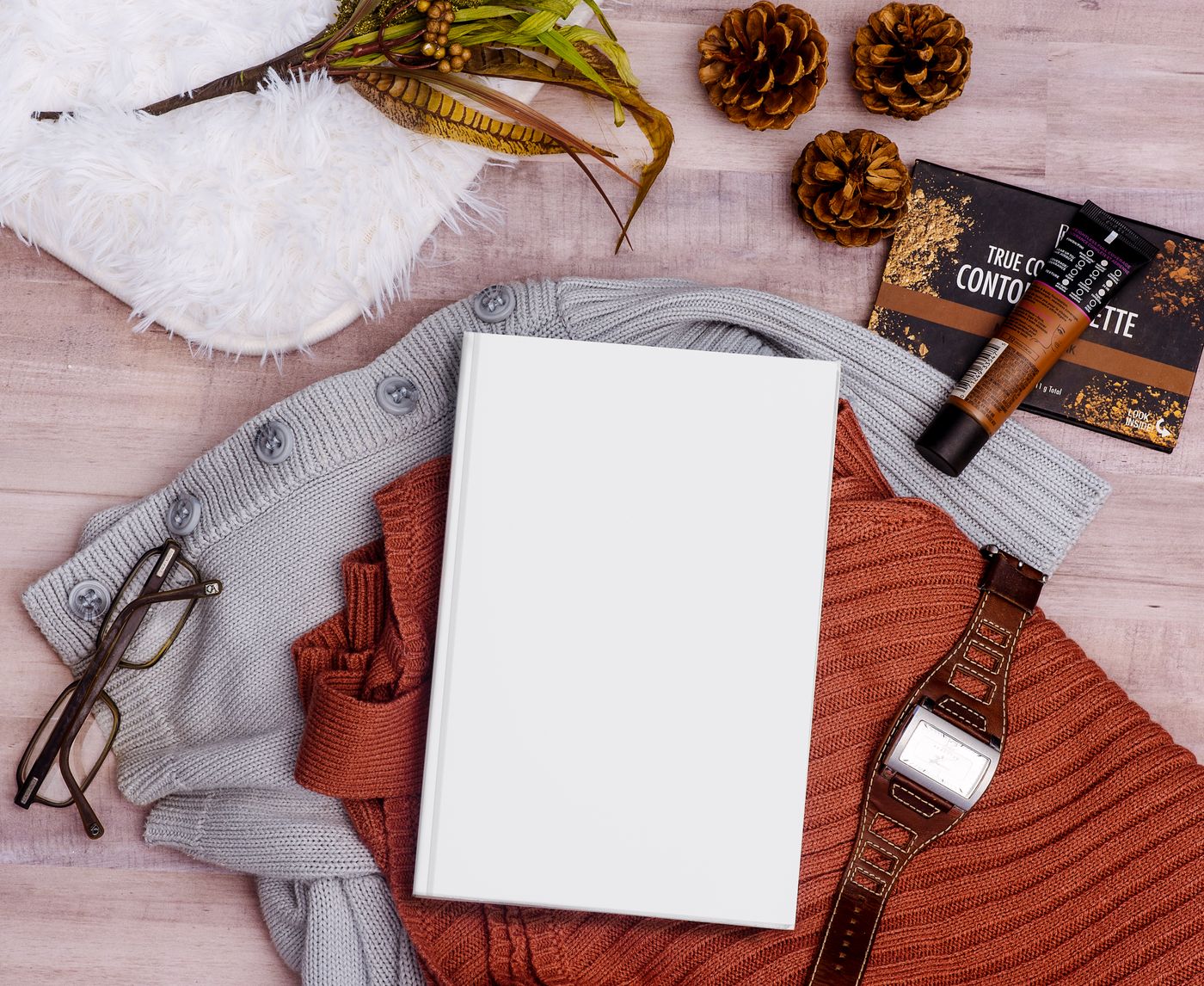
A refined seasonal flat lay showing how texture and neutral accessories contribute to sophisticated wardrobe styling.
32. Caring for Different Types of Women's Tops
Garment care has a direct relationship with wardrobe longevity. Different fabrics and constructions require different approaches, so care labels should always be considered.
Cotton may require attention to washing temperature and drying methods. Excessive heat can influence shrinkage and shape.
Ribbed fabrics should be handled in ways that preserve their elasticity and original structure. Proper storage can also prevent unnecessary stretching.
Satin requires careful handling because its smooth surface can be sensitive to abrasion and unsuitable washing methods.
Long-sleeve basics can benefit from folding or appropriate hanging depending on fabric weight. Overcrowded closets should be avoided because constant compression can create unnecessary wrinkles.
33. Creating a More Sustainable Shopping Mindset
A thoughtful wardrobe strategy can naturally reduce unnecessary purchasing. When each new top is evaluated according to usefulness and compatibility, impulse buying becomes less important.
Before adding a garment, consider whether it fills a real gap. Ask whether the color works with existing bottoms, whether the fabric suits the climate, whether the silhouette fits personal preferences, and whether the garment is likely to be worn regularly.
Versatility is particularly useful because one garment can replace the need for multiple highly specialized pieces.
Care also contributes to longevity. Proper washing, storage, and handling can help garments remain useful for longer periods.
34. The Role of Minimalism in Women's Fashion
Minimalism is not simply about owning fewer clothes. It is about creating stronger relationships between the clothes that are owned.
A minimalist wardrobe can contain several colors and textures while remaining highly cohesive. The key is compatibility.
For example, a small collection containing cotton, ribbed, long-sleeve, blouse, oversized, and satin categories can produce a large number of combinations when the colors and proportions are carefully selected.
Minimalist styling also emphasizes quality of silhouette. Simple garments become more important because there are fewer decorative elements to distract from fit and construction.
35. Five High-Value Outfit Formulas
Everyday Refined
Neutral cotton top + straight-leg denim + leather belt + clean sneakers + structured bag.
Modern Relaxed
Oversized crew neck + streamlined trousers + minimalist footwear + understated accessories.
Professional Essential
V-neck blouse + tailored trousers + structured blazer + refined footwear.
Transitional Layering
Long-sleeve basic + lightweight jacket + straight denim + ankle boots.
Evening Minimalism
Satin button-up + tailored trousers or skirt + delicate jewelry + elegant footwear.
Elevated Weekend
Ribbed short sleeve + premium denim + structured handbag + polished flats.
36. Using Proportion to Create a Professional Appearance
Professional styling is often less about expensive garments and more about proportion. A balanced outfit appears intentional even when the individual pieces are simple.
If the top is oversized, the bottom can provide structure. If the trousers are wide, the top can be more defined. If the blouse contains noticeable detail, accessories can remain restrained.
This relationship between volume and simplicity creates visual hierarchy. The viewer's attention naturally moves between the most important elements rather than being overwhelmed by competing details.
Proportion is also useful when layering. A long-sleeve base beneath a structured jacket can create a clean vertical line, while an oversized shirt under a very narrow jacket may feel visually compressed.
37. The Psychology of a Well-Organized Wardrobe
A coordinated wardrobe can simplify daily decisions. When tops are organized by function, color, and season, it becomes easier to identify appropriate combinations quickly.
Keeping frequently worn basics accessible can reduce decision fatigue. More specialized pieces can be grouped according to occasion.
It is also useful to periodically review which tops are actually being worn. Garments that repeatedly remain untouched may indicate a mismatch in fit, comfort, color, or lifestyle.
A wardrobe should evolve with the person using it. The objective is not to preserve a fixed collection forever but to maintain a useful system.
38. How to Evaluate a New Top Before Buying
- Does the silhouette match the way you normally dress?
- Does the color work with at least three existing bottoms?
- Can the top be layered successfully?
- Is the fabric appropriate for the climate?
- Does the neckline work with your preferred accessories?
- Is the sleeve length useful for your lifestyle?
- Does the garment offer something different from existing pieces?
- Can it be dressed up and dressed down?
- Is the care routine practical?
- Will it realistically be worn often?
- Does the fabric maintain an attractive appearance?
- Does the garment provide enough comfort for its intended purpose?
39. How to Style Neutral Tops Without Looking Repetitive
Neutral tops are incredibly versatile, but repeated styling can feel predictable if every outfit uses the same combination.
Change the bottom silhouette first. Straight denim, wide trousers, tailored pants, skirts, and relaxed trousers can all transform the appearance of the same top.
Next, change the layer. A blazer creates professional polish, a cardigan introduces softness, and a denim jacket creates casual character.
Finally, rotate accessories. Different bags, shoes, belts, scarves, and jewelry can create significantly different visual results.
This demonstrates why wardrobe versatility is not dependent on owning dozens of tops. Styling variety often comes from changing the supporting elements.
40. The Future-Proof Women's Top Wardrobe
A future-proof wardrobe does not attempt to predict every fashion trend. Instead, it establishes strong foundations that can absorb new trends without requiring complete replacement.
Classic silhouettes provide continuity. Contemporary accessories can introduce freshness. Seasonal colors can update familiar shapes. A new jacket or pair of shoes can make an existing top feel completely different.
This strategy creates a wardrobe that evolves rather than expires.
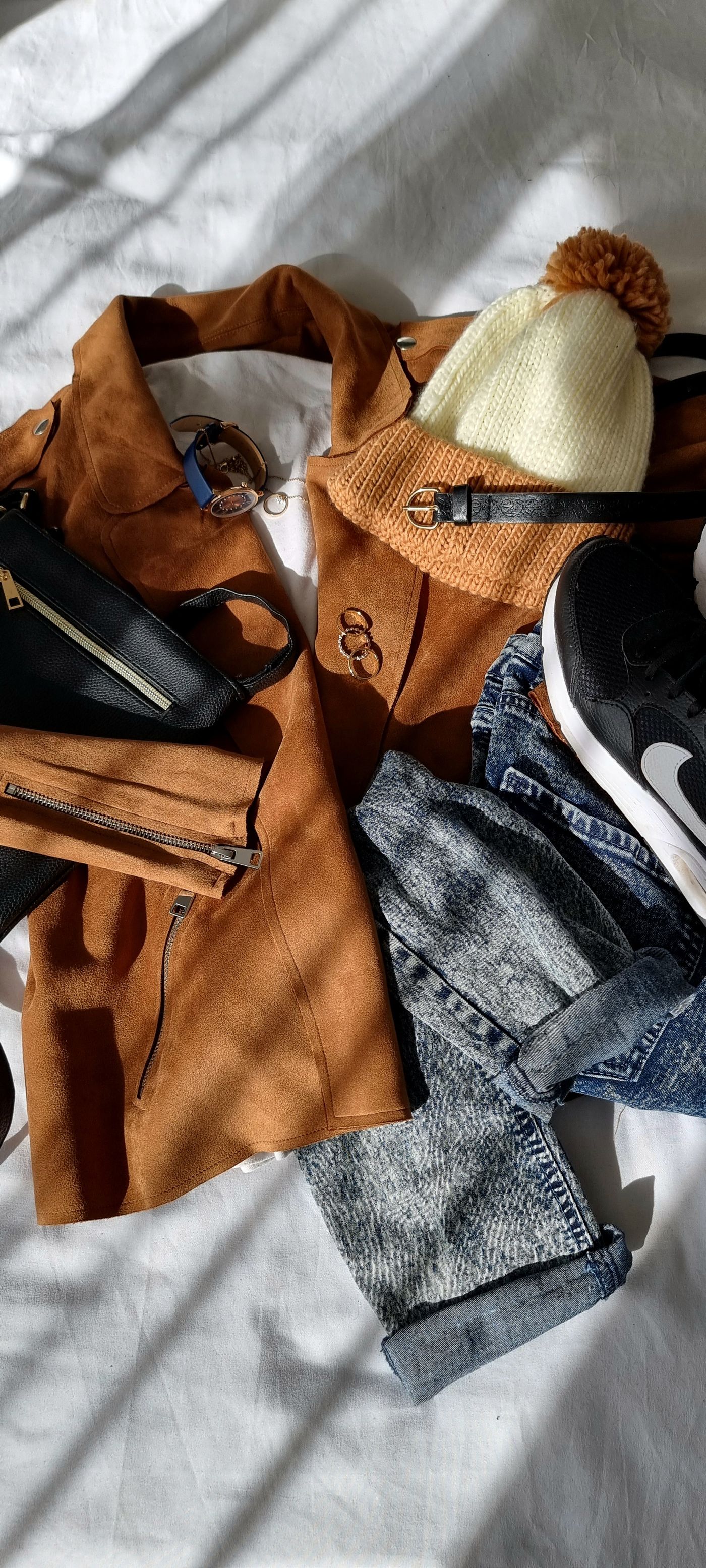
A clean wardrobe composition demonstrating how coordinated clothing and accessories can create a contemporary visual identity.
41. Frequently Asked Questions About Women's Tops
What is the most versatile women's top?
A clean neutral top with a balanced silhouette is usually among the most versatile options. Cotton T-shirts are especially adaptable because they work across casual, smart-casual, and layered outfits.
Are oversized tops still practical?
Yes. Oversized tops remain practical when their volume is balanced with the rest of the outfit. Streamlined bottoms, partial tucks, structured accessories, and defined footwear can help maintain proportion.
Why should I own a ribbed top?
Ribbed tops add texture and visual depth while remaining relatively simple. They can be worn alone or layered beneath jackets and cardigans.
What makes a blouse look professional?
Professional appearance usually comes from a combination of appropriate fit, fabric, neckline, color, finishing, and styling rather than one isolated feature.
Can satin tops be worn casually?
Yes. Satin can be balanced with denim, cotton, sneakers, simple jewelry, or other matte textures to create a more relaxed appearance.
How many colors should a capsule wardrobe contain?
There is no fixed number. A useful approach is to establish several dependable neutrals and add a smaller group of accent colors that coordinate with existing clothing.
How do I make a basic T-shirt look more elegant?
Try combining it with tailored trousers, a structured blazer, refined shoes, quality-looking accessories, or a sophisticated handbag.
What should I wear under a blazer?
Depending on the setting, a cotton T-shirt, ribbed top, long-sleeve basic, or polished blouse can all work. Fabric weight and neckline should complement the blazer.
Are long-sleeve tops useful in a capsule wardrobe?
Yes. They provide additional seasonal flexibility and can be used as standalone garments or layering foundations.
How can I avoid buying duplicate tops?
Review the wardrobe before shopping and identify functional gaps. Compare the potential new piece with existing garments in terms of color, silhouette, fabric, and styling possibilities.
What is the best way to style a V-neck blouse?
It can be paired with tailored trousers, straight denim, skirts, or a structured jacket. Jewelry should complement rather than compete with the neckline.
How can I create more outfits with fewer tops?
Use different bottoms, layers, accessories, shoes, and styling techniques. Changing the surrounding pieces can make one top appear completely different.
42. The Complete Women's Top Wardrobe Checklist
A strong wardrobe can be evaluated through functionality rather than quantity. The following checklist provides a practical framework for reviewing the collection.
- At least one dependable everyday cotton foundation.
- One relaxed silhouette for casual styling.
- One textured ribbed option.
- One versatile long-sleeve layer.
- One polished blouse.
- One elevated satin or fluid-fabric option.
- A neutral color foundation.
- Several colors compatible with existing bottoms.
- At least three outfit possibilities for each major top.
- Layering compatibility with jackets and cardigans.
- Appropriate fabrics for the local climate.
- Practical care requirements.
- Comfortable proportions for regular movement.
- Necklines compatible with preferred accessories.
- Silhouettes that reflect individual style preferences.
43. Creating a Personal Signature Through Tops
Personal style often becomes recognizable through repetition. Someone may consistently prefer clean cotton basics, another person may gravitate toward fluid blouses, while someone else may build outfits around oversized silhouettes.
There is no requirement to wear every category equally. The most successful wardrobe is one that reflects genuine preferences.
Signature style can emerge through color, neckline, texture, silhouette, or a recurring combination. For example, a person may consistently wear neutral tops with tailored trousers and minimal accessories. Another may prefer oversized tops with denim and statement bags.
Understanding these patterns can make future shopping easier because the desired aesthetic becomes clearer.
44. Why Simple Garments Often Have the Highest Wardrobe Value
Simple garments are often underestimated because they lack obvious novelty. Yet their simplicity allows them to connect with more pieces.
A decorated top may dominate an outfit, limiting the number of occasions and combinations in which it feels appropriate. A clean cotton top can support almost anything around it.
This does not mean statement pieces should be avoided. They can provide excitement and personality. The key is balance: foundational pieces create flexibility while statement pieces create variety.
A wardrobe built entirely from statement garments can become difficult to coordinate, while a wardrobe built entirely from basics can feel repetitive. The strongest systems usually combine both.
45. Final Professional Framework for Choosing Women's Tops
When selecting a new top, evaluate it through five essential dimensions: function, fit, fabric, compatibility, and frequency of wear.
Function asks what role the top will perform. Fit determines how comfortably and intentionally it sits on the body. Fabric influences comfort, appearance, care, and seasonality. Compatibility determines how many existing garments can be combined with it. Frequency of wear determines whether the purchase is likely to become a true wardrobe asset.
For everyday foundations, the classic women's cotton T-shirt remains a dependable choice.
For relaxed contemporary dressing, the women's oversized crew neck top introduces comfort and volume.
For texture, the ribbed short-sleeve top can add visual dimension without becoming complicated.
For layering, the women's long-sleeve basic top offers practical seasonal flexibility.
For professional refinement, the V-neck women's blouse provides a polished alternative to everyday basics.
For elegant styling, the women's satin button-up blouse adds sheen, movement, and sophistication.
For broader wardrobe exploration, a curated women's clothing brand collection can provide access to different categories and styling directions.
46. A Practical Daily Styling System
For everyday use, the process can remain remarkably simple. Begin by choosing the occasion and the desired level of formality. Select the top category that naturally fits that requirement. Choose a compatible bottom based on proportion. Add a layer if needed. Finish with footwear and accessories.
This system avoids the common problem of standing in front of a wardrobe filled with clothing but feeling as though nothing works together.
When tops are selected according to a consistent strategy, outfit creation becomes faster and more intuitive. The wardrobe begins to function as a collection of interchangeable components rather than isolated pieces.
The result is not simply a larger collection of clothes. It is a more intelligent wardrobe system in which every major category contributes something different.
Comments
Post a Comment