The Professional Women’s Tops Handbook: Building a Versatile, Elegant and High-Performance Wardrobe
The Architecture of a High-Performance Women's Tops Wardrobe
A sophisticated women's wardrobe is built through intelligent combinations rather than sheer quantity. Among all clothing categories, tops often carry a particularly important responsibility because they sit close to the face, establish the upper silhouette and can determine whether an outfit feels relaxed, professional, elegant, contemporary or distinctly casual.
The strongest collections combine several levels of versatility. Everyday basics provide reliable foundations, textured pieces create visual depth, oversized silhouettes introduce modern proportion, long-sleeve styles improve layering potential, and refined blouses create opportunities for professional and evening dressing. When these categories are selected carefully, a relatively focused collection can support an impressive number of outfits.
The objective is not to make every garment interchangeable. Instead, each top should have a recognizable purpose. A classic cotton shirt may be chosen for repeated daily wear, while a satin blouse may be reserved for moments when a more polished finish is desirable. A ribbed top can bridge the gap between a simple T-shirt and a fitted fashion garment, while an oversized crew neck can introduce relaxed volume.
Professional wardrobe principle: The value of a top is determined by more than its appearance. Consider its fabric, construction, fit, color, comfort, maintenance, styling flexibility and relationship with the rest of the wardrobe.
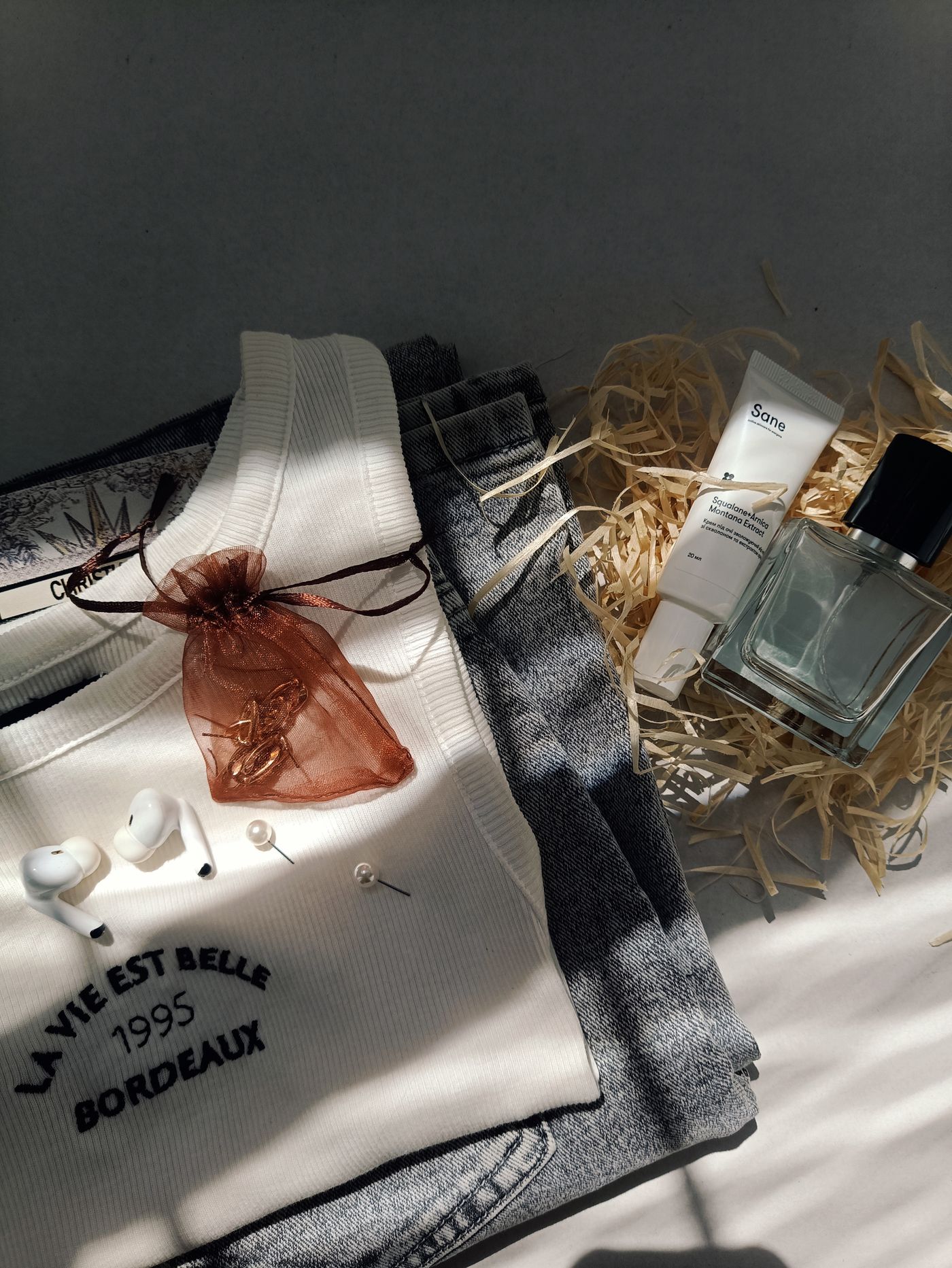
A modern flat-lay presentation demonstrates how clothing and accessories can be organized into a coherent wardrobe concept.
Why Tops Deserve a Strategic Place in Wardrobe Planning
Tops are among the most frequently repeated clothing pieces in everyday life. A blazer may be worn occasionally, while a favorite cotton shirt can become part of numerous weekly outfits. This frequency means small differences in comfort, fit and construction become increasingly noticeable over time.
The Women’s Classic Cotton T-Shirt illustrates the importance of a strong foundation. Its simple shape allows it to support denim, tailored trousers, skirts, shorts, jackets and cardigans without competing with the rest of the outfit.
Everyday tops should therefore be evaluated with the same attention given to more expensive or visually dramatic garments. A basic top that fits correctly, maintains its shape and coordinates with numerous items can become one of the hardest-working pieces in the closet.
Another advantage of well-selected tops is reduced decision-making. When several dependable pieces are available, creating an outfit becomes a matter of choosing the desired level of formality rather than solving a wardrobe problem from the beginning every morning.
Frequency of Wear and Wardrobe Value
Frequency is an important consideration when deciding how much to invest in a garment. A top intended for occasional use can reasonably have a different priority from a basic that will be washed and worn repeatedly.
Frequently used garments should generally receive greater attention in terms of fabric recovery, stitching, neckline stability and care requirements. The more often a garment is worn, the more important these details become.
A strong wardrobe therefore contains a balance between high-frequency essentials and lower-frequency statement pieces. This creates both practicality and visual variety.
Modern Oversized Tops and the Art of Proportion
Oversized silhouettes have become an important part of contemporary women's fashion because they introduce a relaxed interpretation of traditional proportions. Their success depends on intentional construction rather than simply choosing a larger size.
The Women’s Oversized Crew Neck T-Shirt can create a relaxed foundation for straight-leg denim, fitted trousers, leggings, tailored pants and structured skirts.
The main styling consideration is proportion. A generously sized top can be balanced with a cleaner lower silhouette. Alternatively, the oversized effect can be repeated with wide-leg trousers for an intentionally relaxed fashion direction.
The difference between these approaches is subtle but important. In the first, the lower half creates definition. In the second, the entire outfit embraces volume. Both can work when the proportions are deliberately chosen.
Making an Oversized Top Look Refined
One of the easiest techniques is a partial tuck. A small portion of the front can be tucked into the waistband while the remainder stays loose. This creates a visible point of definition without eliminating the relaxed character of the garment.
Another technique is to combine the oversized top with structured accessories. A firm handbag, clean footwear or defined belt can provide visual organization.
Color also plays a role. A monochromatic outfit can make relaxed proportions look sophisticated, while strong color contrast emphasizes the casual nature of the silhouette.
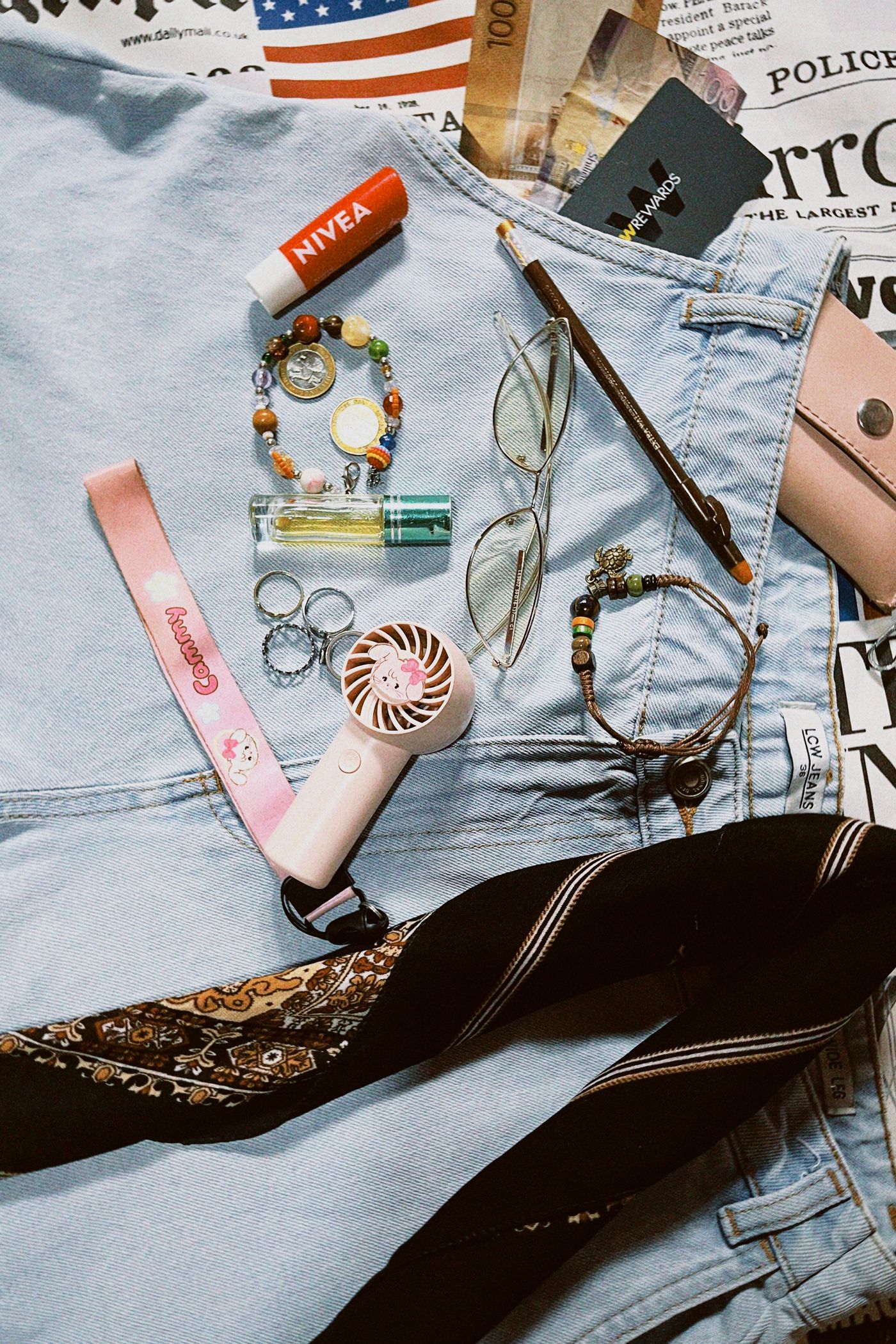
A contemporary flat lay uses denim and accessories to illustrate how casual fashion can be presented with a refined visual identity.
Ribbed Tops: The Strategic Use of Texture
Texture can transform an otherwise simple wardrobe. Ribbed fabrics are especially useful because they introduce visual dimension without requiring a complicated print or decorative detail.
The Women’s Ribbed Short Sleeve Top can function as a versatile middle ground between a classic T-shirt and a more structured blouse.
Its textured surface can complement smooth trousers, denim, tailored jackets and minimalist accessories. This makes ribbed garments particularly valuable when a wardrobe contains many plain fabrics and needs more visual variety.
Understanding Ribbed Fabric Performance
When selecting ribbed tops, stretch and recovery deserve attention. A good stretch allows comfortable movement, while effective recovery helps the garment return to its intended shape.
The weight of the ribbed fabric also affects its use. Lightweight ribbing can be excellent for warmer weather and layering, while heavier ribbed constructions can provide more structure during cooler conditions.
Color selection is another useful consideration. A neutral ribbed top can function as a foundation, while a richer color can become an accent piece that changes the mood of otherwise familiar outfits.
Texture principle: When an outfit feels visually plain, adding texture can often create more sophistication than simply adding another color. Ribbing, woven surfaces, satin, denim and structured fabrics can all provide controlled visual contrast.
Long-Sleeve Tops and Layering Intelligence
Long-sleeve tops are valuable because their usefulness extends across multiple seasons. They can be worn independently in mild weather or become the foundation of a layered outfit when temperatures fall.
The Women’s Long Sleeve Basic Top can sit beneath jackets, cardigans, vests and coats without demanding attention from the rest of the outfit.
A smooth, relatively thin fabric can be particularly useful when the garment is intended as a base layer. A slightly heavier construction may work better when the top is expected to be worn independently.
Long-Sleeve Neckline Selection
Crew necks remain among the most adaptable choices because they work with a broad range of outerwear. Mock necks provide additional structure and can create a sophisticated appearance beneath jackets.
Open necklines can introduce more visual space around the face and may work well with necklaces. The best choice depends on the existing wardrobe rather than on trends alone.
When planning a long-sleeve collection, consider sleeve width as well as length. Excessive fabric can bunch beneath a fitted blazer, while an extremely narrow sleeve can reduce comfort.
V-Neck Blouses and the Language of Refinement
Blouses provide a natural bridge between casual basics and formal dressing. A well-designed blouse can work for professional environments, dinners, smart-casual events and occasions that require a more polished appearance.
The Women’s V-Neck Blouse is particularly versatile because the neckline creates an open visual line that works naturally with necklaces, scarves and tailored outerwear.
The fabric determines much of the final character. A soft draping blouse can feel fluid and relaxed, while a structured woven fabric can appear sharper and more professional.
Creating a Professional V-Neck Outfit
For a polished office combination, a neutral V-neck blouse can be paired with tailored trousers and a structured blazer. For smart-casual dressing, straight denim can replace tailored trousers while retaining the refined blouse.
For evening use, richer colors and more refined accessories can elevate the same silhouette. The neckline provides the foundation, while styling determines the final level of formality.
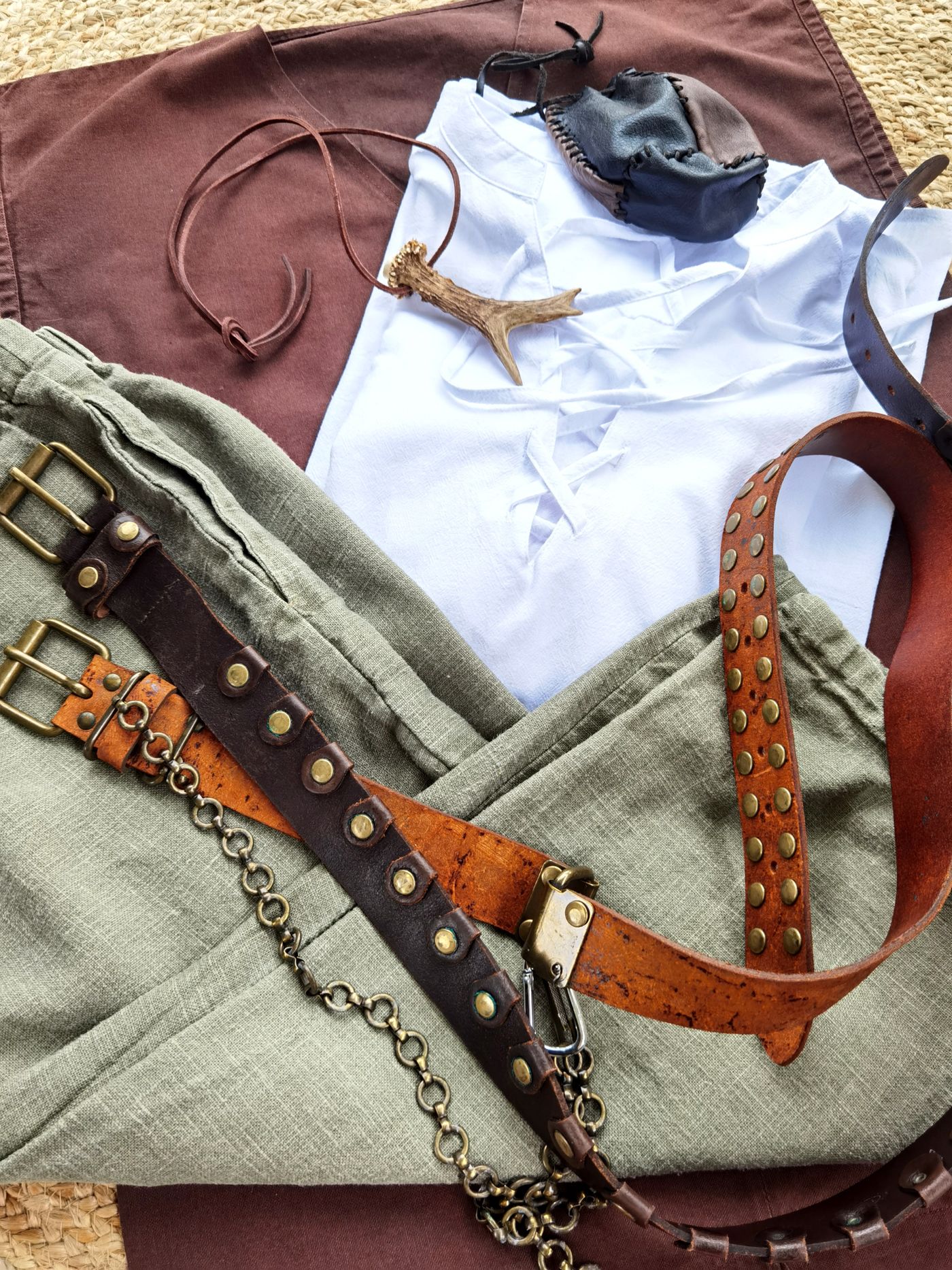
A warm-toned flat lay shows how accessories, belts and clothing can create a cohesive fashion composition.
Satin Button-Up Blouses for Elevated Wardrobes
Satin adds a reflective surface and fluid visual movement to an outfit. Even a simple button-up design can become visually distinctive when the fabric catches the light.
The Women’s Satin Button-Up Blouse can be styled for both daytime and evening occasions.
For daytime, combine satin with denim, simple trousers and understated accessories. This creates a contrast between the polished surface of the blouse and the relaxed character of the supporting pieces.
For evening dressing, tailored trousers, sleek skirts and refined accessories can emphasize the sophisticated character of satin.
Keeping Satin Balanced
Because satin naturally attracts attention through its shine, additional decoration is often unnecessary. Minimal jewelry and clean silhouettes can allow the fabric to remain the central visual feature.
Satin also works particularly well with matte textures. Denim, tailored fabrics and structured accessories can provide contrast and prevent the outfit from appearing overly uniform.
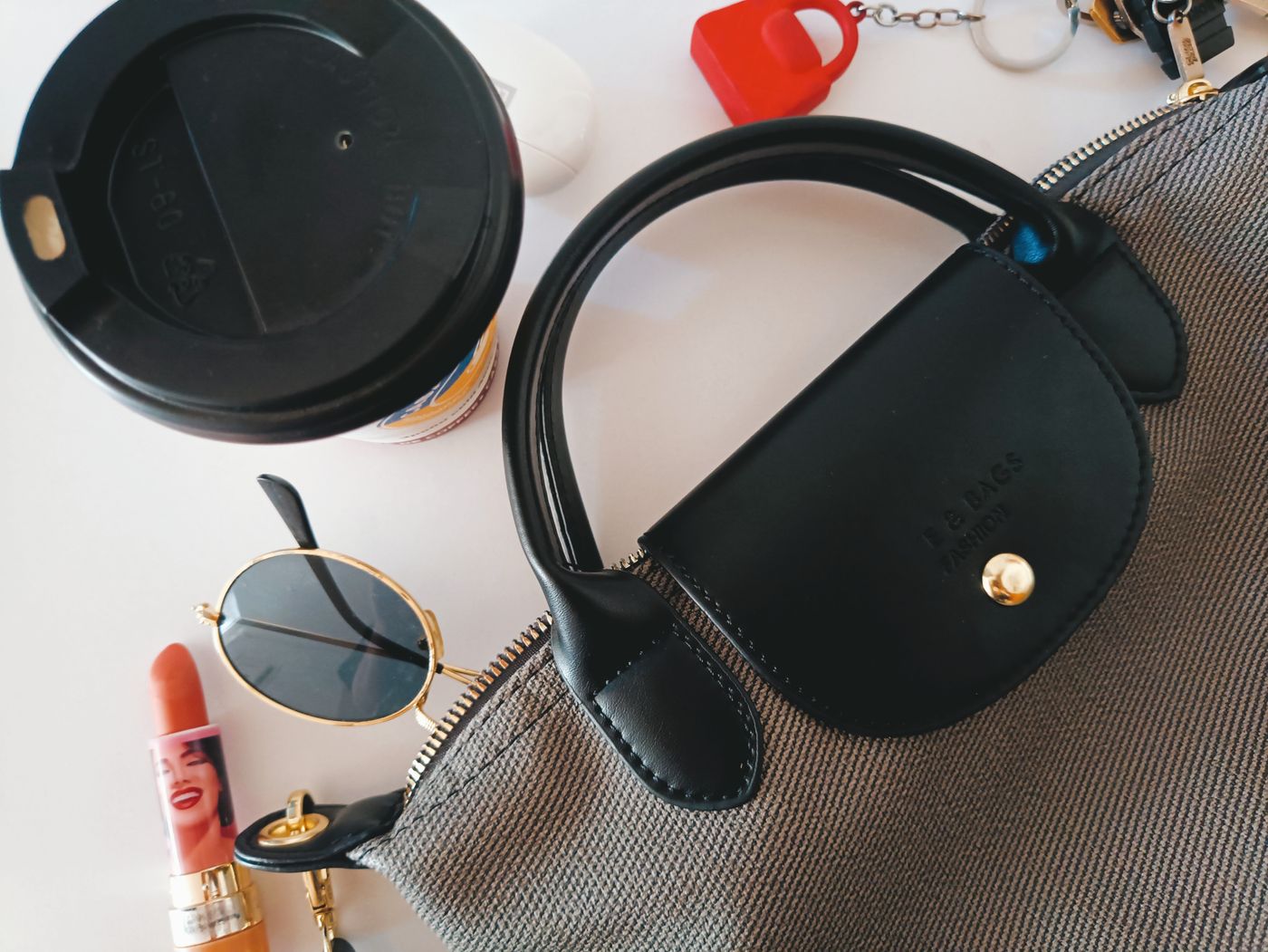
A refined accessory composition illustrates the relationship between everyday lifestyle elements and polished fashion styling.
Fabric Selection for Comfort, Performance and Appearance
Fabric is one of the most important factors in evaluating a top because it influences nearly every practical characteristic of the garment. It affects softness, breathability, drape, stretch, durability, wrinkle behavior and maintenance.
Cotton remains a reliable option for everyday tops because it can work across many silhouettes. Its behavior depends heavily on weight, weave and finishing.
Knitted fabrics can offer flexibility and comfort. Ribbed knits provide additional texture and often more stretch. Satin emphasizes fluidity and shine. Linen-based fabrics can offer a relaxed warm-weather appearance, while blended materials may combine several performance characteristics.
Fabric Questions Before Purchase
- Does the fabric feel comfortable against the skin?
- Does it provide sufficient movement?
- Does the weight suit the intended climate?
- Is the fabric suitable for frequent washing?
- Does it wrinkle easily?
- Does it retain its intended shape?
- Is it appropriate for the intended occasion?
- Does its maintenance routine fit the lifestyle?
There is no universally perfect fabric. A material that is excellent for an evening blouse may not be practical for a frequently worn everyday garment. The correct choice depends on function.
The Importance of Shoulder, Sleeve and Hem Proportion
Fit is more complex than simply deciding whether a top feels loose or tight. A professionally considered garment has a relationship between its shoulder width, armhole, sleeve length, torso length and hem position.
The shoulder area establishes much of the upper silhouette. A deliberate shoulder position can make a basic garment look polished, while inconsistent construction can make the same garment appear less refined.
Sleeve proportion is equally important. Short sleeves can change the balance of the upper arm, while long sleeves affect both layering and overall visual length.
The hem also determines styling possibilities. A shorter hem can work naturally with high-waisted bottoms, while a longer silhouette may be more suitable for leggings, slim trousers or untucked styling.
Shoulder Fit
Evaluate seam placement and overall balance to determine whether the garment creates the intended silhouette.
Body Ease
Enough room supports comfort, while excessive volume may alter the intended proportions.
Sleeve Shape
Sleeve width and length should support both standalone wear and the intended layering strategy.
Hem Position
Length influences whether a top works best tucked, untucked or partially tucked.
Neckline
The neckline influences visual balance and determines how jewelry and outerwear interact with the top.
Recovery
Good fabric recovery helps the garment maintain its intended shape after movement and repeated wear.
Color Architecture for a More Flexible Closet
Color planning can significantly increase wardrobe efficiency. The objective is not to make every garment neutral, but to create enough relationships between colors that pieces can move easily from one outfit to another.
White, cream, black, grey, navy and beige are common foundation colors because they can work with many other shades. Once the foundation is established, accent colors can be introduced to create personality.
Deep green, burgundy, dusty blue, chocolate brown and muted pink can function as sophisticated accent directions when coordinated with existing neutrals.
The Women Clothing Brands category can be approached strategically by considering how new colors interact with existing clothing rather than selecting garments individually.
Why Color Repetition Matters
Repeating a color across several garments can make the wardrobe feel more cohesive. For example, a navy top can coordinate with navy footwear, a navy handbag or a navy jacket, even when the pieces are not part of the same outfit.
Color repetition also allows accent pieces to feel intentional rather than isolated.
Building a Practical Capsule of Tops
A capsule collection should be understood as a group of garments that cooperate. Its purpose is not merely to reduce the number of clothes owned but to increase the usefulness of each piece.
A balanced tops collection might contain several everyday basics, one oversized silhouette, one ribbed garment, a long-sleeve layer, one refined blouse and one elevated satin option.
The Women’s Ribbed Short Sleeve Top can introduce texture, while the Women’s Long Sleeve Basic Top adds seasonal flexibility.
A dependable basic remains essential because frequent outfits require reliable foundations. The Women’s Classic Cotton T-Shirt can serve that role while more specialized pieces provide variety.
Professional Styling With Modern Women's Tops
Professional dressing no longer has to rely exclusively on traditional formal shirts. A well-fitted top combined with tailored trousers, a structured blazer and appropriate accessories can create a polished appearance while remaining modern.
A neutral cotton top can work beneath a blazer when the desired effect is understated and contemporary. A V-neck blouse can introduce more refinement, while a satin blouse can provide a more elevated appearance for suitable professional occasions.
The Women’s V-Neck Blouse can be particularly effective with tailored trousers because the open neckline contrasts naturally with the structured lower silhouette.
The Professional Outfit Formula
A useful formula consists of a refined top, structured bottom, appropriate outer layer and restrained accessories. This creates a clear hierarchy without requiring excessive decoration.
The same trousers can be reused with several tops, allowing the wardrobe to generate different professional combinations without requiring a large number of garments.
Smart-Casual Dressing With Tops
Smart-casual dressing works especially well when relaxed and refined elements are combined. A simple top can be elevated with tailored trousers. A sophisticated blouse can be relaxed with denim. An oversized silhouette can become polished when paired with structured accessories.
The Women’s Oversized Crew Neck T-Shirt can therefore participate in smart-casual styling when its proportions are balanced with the rest of the outfit.
Footwear plays an important role. Clean sneakers can maintain a casual direction, while loafers or refined boots can move the outfit toward a more polished aesthetic.
Travel Wardrobes and Top Selection
Travel exposes the strengths and weaknesses of a wardrobe quickly. Space is limited, garments may need to be repeated and outfits often need to cover multiple levels of formality.
Tops with strong compatibility are therefore particularly useful. A neutral basic can work during the day, while a blouse can transition into evening dressing. A long-sleeve top can support cooler temperatures, while a short-sleeve option can address warmer conditions.
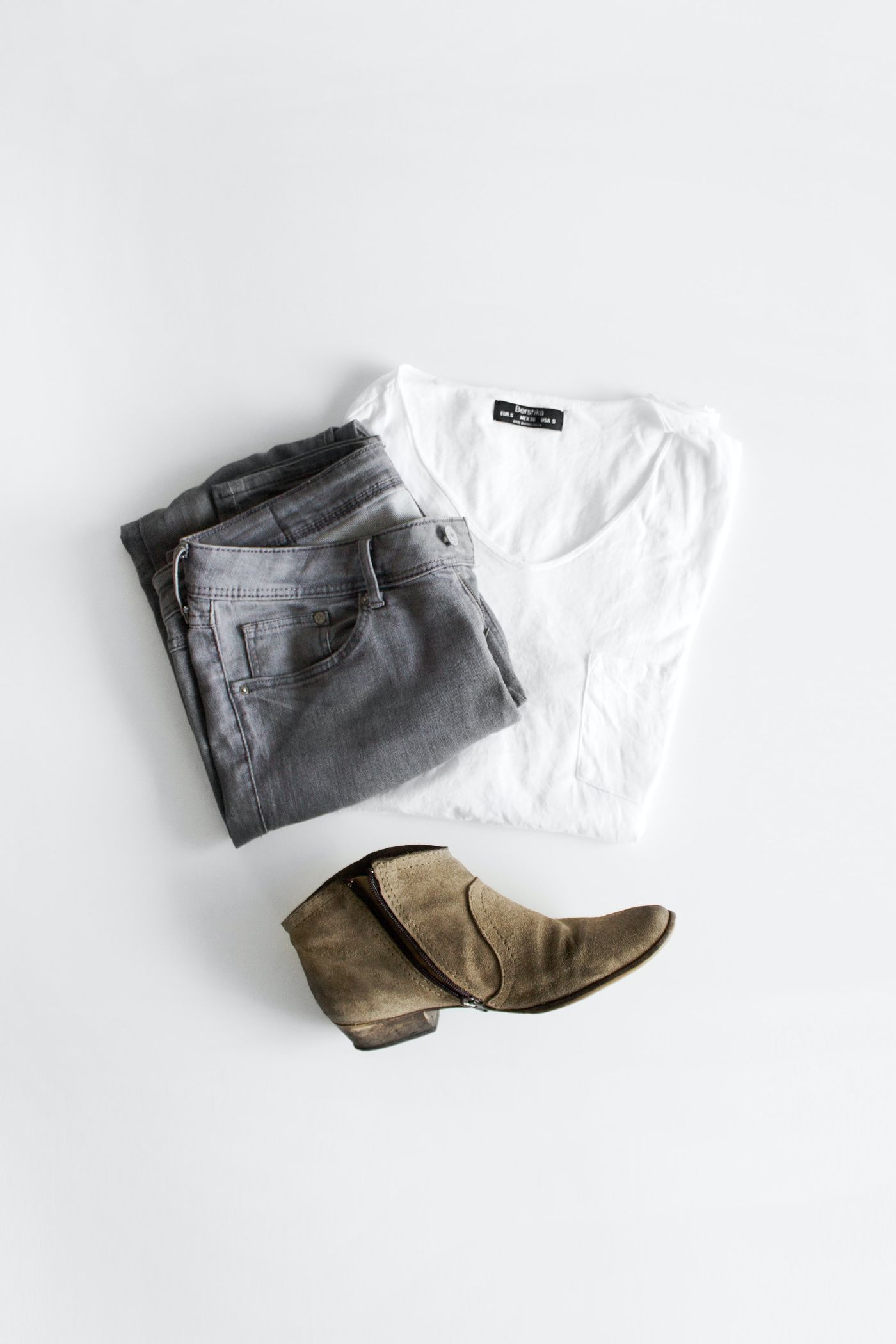
A clean outfit arrangement demonstrates how a small number of coordinated clothing elements can create a complete travel-ready look.
Efficient Packing Logic
Instead of packing many garments that perform the same function, choose pieces with distinct roles. A basic, a textured top, a long sleeve and a polished blouse can produce different outfit directions when combined with several bottoms.
Wrinkle behavior should also be considered. A garment that requires extensive pressing may be less convenient for travel than one that can be quickly refreshed with light steaming.
Seasonal Layering Strategies
Layering allows tops to work beyond a single season. A short-sleeve top can become a base beneath a jacket, while a long-sleeve garment can be worn independently during mild weather.
Spring often calls for lightweight layers. Summer favors breathable fabrics and uncomplicated silhouettes. Autumn creates opportunities for ribbed textures, overshirts and long sleeves. Winter depends heavily on base layers beneath sweaters, coats and jackets.
The Women’s Long Sleeve Basic Top can move through these seasons by changing its role within the outfit.
Layering Without Unnecessary Bulk
The key to comfortable layering is controlling thickness. A smooth base layer can sit beneath heavier clothing without creating excessive volume.
Sleeve construction is especially important. A wide sleeve may bunch beneath a structured jacket, while an excessively tight sleeve can restrict movement. The intended layering system should therefore be considered before purchase.
Quality Indicators That Deserve Attention
Garment quality is influenced by numerous small construction details. These details may not be obvious in a quick glance, but they become increasingly important after repeated use.
| Area | What to Examine | Why It Matters | Wardrobe Benefit |
|---|---|---|---|
| Fabric | Weight, texture, softness and recovery | Influences comfort and appearance | Improved daily usability |
| Shoulders | Seam placement and symmetry | Establishes the upper silhouette | More polished fit |
| Neckline | Shape and finishing | Highly visible styling element | Better outfit versatility |
| Seams | Consistency and reinforcement | Supports structural durability | Better long-term performance |
| Hem | Alignment and finish | Affects how the garment hangs | Cleaner overall silhouette |
| Buttons | Attachment and spacing | Important for repeated use | Reliable functionality |
| Care Label | Washing and drying instructions | Determines maintenance demands | More realistic wardrobe planning |
Comparing Top Categories by Function
Different categories should not necessarily be viewed as competitors. Their real value comes from the different problems they solve.
A classic cotton shirt prioritizes everyday versatility. An oversized design introduces relaxed proportion. A ribbed top adds texture. A long-sleeve basic improves layering. A V-neck blouse increases refinement. Satin introduces shine and an elevated visual finish.
The Women’s Satin Button-Up Blouse therefore addresses a different wardrobe requirement from a classic everyday top.
When every category has a distinct role, the wardrobe becomes more efficient because purchases add functionality rather than unnecessary duplication.
Minimalist Shopping Without a Boring Wardrobe
Minimalist shopping does not require limiting fashion expression. It simply encourages a higher level of selectivity.
If a wardrobe already contains several nearly identical neutral T-shirts, another basic may provide little additional value. A textured top, refined blouse or oversized silhouette could contribute more meaningful variety.
The same logic applies to color. If the wardrobe already has several neutral pieces, a carefully selected accent color may expand styling possibilities.
Three-outfit test: Before purchasing a new top, identify at least three complete outfits using pieces already owned. This encourages purchases that integrate naturally into the existing wardrobe.
Accessories as a Styling Multiplier
Accessories can transform the perceived level of a top without changing the garment itself. A simple cotton T-shirt can look casual with sneakers and a canvas bag, but significantly more polished with tailored trousers, loafers, a blazer and refined jewelry.
Necklaces can emphasize a neckline. Belts can introduce structure. Handbags can change the perceived formality. Shoes can alter the entire visual direction.
This is one reason versatile tops remain valuable. They provide a stable foundation while accessories create different interpretations.
Mixing Matte and Reflective Textures
Texture is not limited to knitted fabrics. The interaction between matte and reflective surfaces can also produce sophisticated results.
Satin against denim creates a clear contrast. Cotton against polished accessories introduces subtle variation. Ribbed fabric against smooth tailoring creates a more dimensional appearance.
When several textures are used simultaneously, color can be simplified. This allows the materials to provide visual interest without creating excessive complexity.
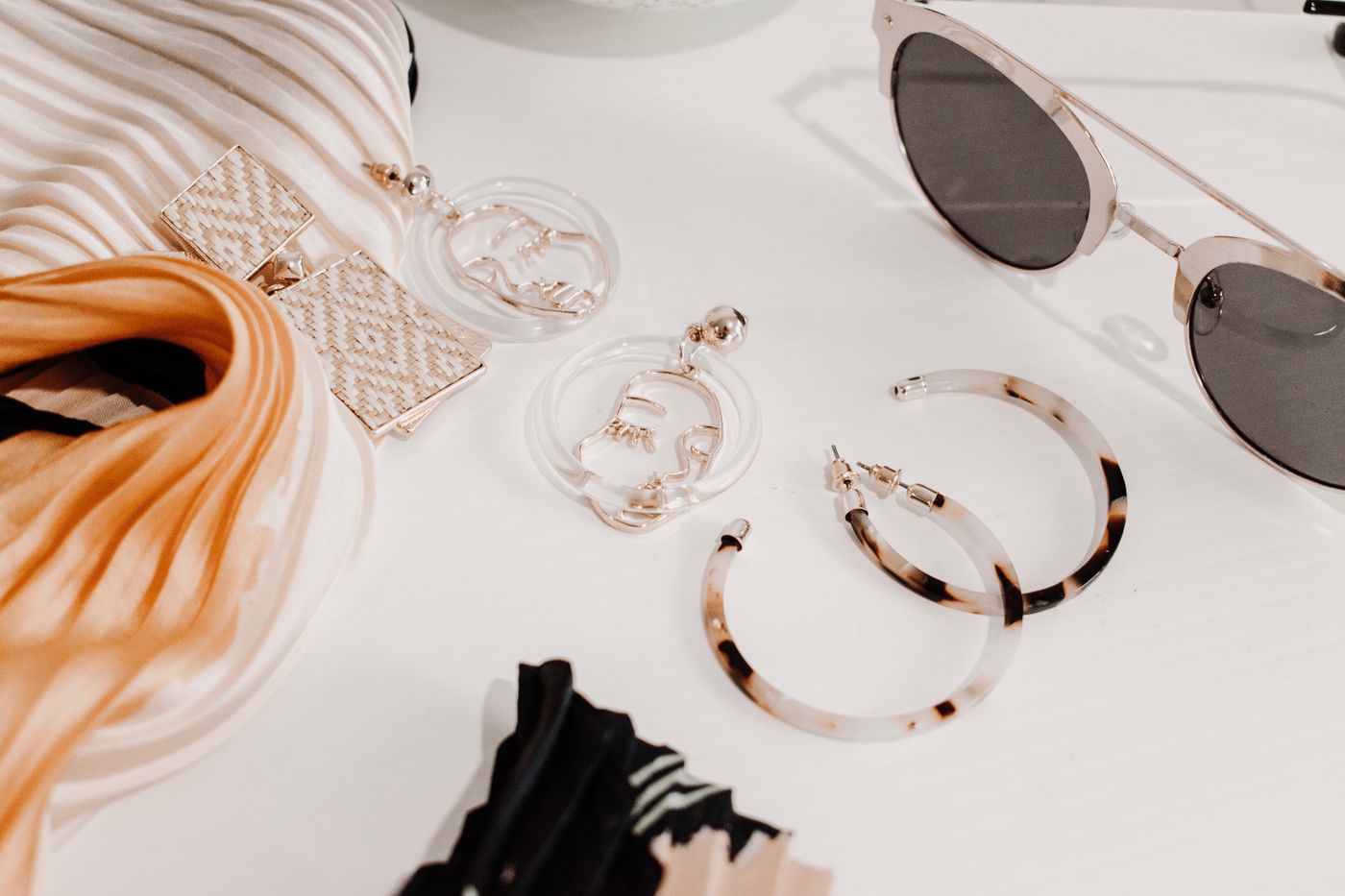
A minimalist accessory arrangement demonstrates how small details can contribute to the visual identity of an outfit.
Care Practices for Frequently Worn Tops
Wardrobe value is closely connected to maintenance. Frequently worn tops experience repeated washing, drying, friction and handling, making appropriate care essential.
- Read the garment care label before washing.
- Use the recommended water temperature.
- Avoid unnecessary high heat.
- Turn suitable garments inside out before washing.
- Use appropriate hangers for structured tops.
- Fold knitwear when hanging may stretch the shoulders.
- Handle delicate fabrics carefully.
- Allow garments to dry according to their care instructions.
- Store clothing in a clean and dry environment.
- Rotate frequently worn pieces whenever possible.
Different fabrics require different approaches. Satin may need more delicate treatment, while durable cotton basics may tolerate more frequent laundering. The most effective routine is therefore garment-specific.
Styling the Classic Cotton T-Shirt Beyond Casual Wear
The classic cotton T-shirt is often associated exclusively with casual outfits, but its simplicity gives it considerable styling potential.
With tailored trousers and a structured blazer, it can become a modern alternative to a traditional blouse. With a midi skirt, it can create contrast between casual fabric and a more elegant silhouette.
Accessories determine much of the final impression. Refined jewelry can elevate the garment, while casual footwear and a relaxed bag can preserve a weekend aesthetic.
The Women’s Classic Cotton T-Shirt is therefore better understood as a flexible foundation than as a limited casual item.
Using Oversized Tops With Tailoring
The contrast between relaxed volume and structured tailoring can produce a particularly contemporary wardrobe direction.
An oversized top with straight or tailored trousers creates a clear difference between upper and lower proportions. A structured blazer can further frame the silhouette.
The Women’s Oversized Crew Neck T-Shirt can therefore participate in polished outfits when supported by appropriate proportions, accessories and footwear.
The goal is not to eliminate the relaxed character of the top but to place it within an organized outfit structure.
Ribbed Tops as Transitional Wardrobe Tools
Ribbed tops can be particularly effective between seasons. Their texture adds interest while their construction often allows comfortable layering.
A neutral ribbed top can be worn with denim during casual days, tailored trousers for a more refined appearance or beneath a cardigan when temperatures fall.
The Women’s Ribbed Short Sleeve Top can therefore fill a useful space between basic and statement dressing.
Developing a Refined Blouse Rotation
A sophisticated wardrobe does not require a huge blouse collection. A small number of carefully differentiated styles can address several situations.
A simple blouse can handle professional dressing. A V-neck design can provide flexible styling. A satin button-up can address evenings and occasions where a more elevated appearance is appropriate.
The Women’s V-Neck Blouse is particularly useful because the neckline can work with jewelry, jackets and several categories of bottoms.
A satin blouse, meanwhile, changes the visual surface of the wardrobe and introduces an element of controlled shine.
Shopping According to Wardrobe Gaps
One of the most effective ways to shop intelligently is to identify recurring problems rather than shopping simply because a garment looks attractive.
If outfits repeatedly lack a comfortable layering piece, a long-sleeve top may fill the gap. If casual outfits feel repetitive, a ribbed or oversized design can introduce variety. If professional dressing feels too formal or too casual, a refined blouse can provide the missing middle ground.
The broader Women Clothing Brands collection can be considered from this problem-solving perspective.
Wardrobe Function Comparison
| Top Category | Main Character | Best Partners | Primary Function | Styling Range |
|---|---|---|---|---|
| Classic Cotton T-Shirt | Clean and dependable | Denim, trousers, skirts, blazers | Everyday foundation | Very broad |
| Oversized Crew Neck | Relaxed and contemporary | Denim, leggings, tailored trousers | Modern casual dressing | Broad |
| Ribbed Short Sleeve | Textured and flexible | Jeans, skirts, trousers, cardigans | Texture-focused essential | Broad |
| Long Sleeve Basic | Layering-oriented | Jackets, coats, vests, denim | Seasonal foundation | Very broad |
| V-Neck Blouse | Refined and polished | Tailored trousers, skirts, blazers | Professional and elevated styling | Broad |
| Satin Button-Up | Lustrous and sophisticated | Tailoring, skirts, denim | Evening and elevated dressing | Medium to broad |
Creating More Outfits Through Strategic Repetition
Outfit variety does not necessarily require a large number of tops. It can be generated through changes in supporting garments, accessories and styling techniques.
A neutral top can work with several trousers and skirts. Add a blazer and the same foundation becomes more formal. Change footwear and accessories and the level of polish changes again.
A ribbed top introduces texture. An oversized silhouette changes proportion. A blouse changes formality. Satin changes surface and light reflection.
This is the fundamental advantage of strategic repetition: the same garment can appear different when its surrounding context changes.
Balancing Trends With Long-Term Style
Fashion trends can provide inspiration, but the foundation of a practical wardrobe benefits from pieces that can adapt to changing preferences.
Classic cotton tops, long sleeves and versatile blouses can remain useful even as footwear, accessories and outerwear evolve.
Contemporary elements can be introduced through silhouette. An oversized top can modernize a traditional wardrobe. A new accent color can refresh familiar basics. A current accessory can change the visual identity of older garments.
This approach allows a wardrobe to evolve gradually rather than requiring complete seasonal replacement.
Flat-Lay Fashion Presentation
Flat-lay photography provides a useful way to communicate clothing style without using models. It can show color relationships, accessories, fabric surfaces and complete outfit concepts in a single composition.
A carefully arranged flat lay can demonstrate how a top interacts with shoes, bags, jewelry and other clothing elements. This makes the visual format particularly useful for fashion editorial content, product presentation and wardrobe inspiration.
A textured fashion flat lay demonstrates how accessories can add structure and personality to clothing presentation.
Personal Style Through Different Top Silhouettes
A minimalist style can rely on clean cotton tops, neutral colors and simple lines. A romantic wardrobe may emphasize soft blouses, flowing materials and delicate accessories. A contemporary style can incorporate oversized silhouettes, strong proportions and modern accessories.
These categories can also coexist. A satin blouse can look minimalist when styled with black trousers and restrained jewelry. An oversized top can become sophisticated when paired with tailoring. A classic cotton garment can become feminine when combined with a flowing skirt.
Personal style is therefore not defined solely by the individual garment. It emerges from the complete styling relationship.
Professional Selection Principles
Function
Determine whether the top is intended for everyday wear, work, layering, travel, evening dressing or special occasions.
Fabric
Evaluate comfort, weight, stretch, texture, drape and care requirements before making a decision.
Compatibility
Identify several existing garments that can be worn with the top.
Proportion
Consider how the volume, sleeve length and hem interact with the lower half of the outfit.
Repetition
Choose garments that remain attractive and useful when worn repeatedly in different combinations.
Maintenance
Make sure the garment's care requirements are realistic for its expected frequency of use.
Creating a Personal Outfit Formula
A personal outfit formula can simplify dressing without making the wardrobe repetitive. The formula acts as a framework while individual garments provide variation.
For example, a person might consistently rely on a refined top, tailored trousers, structured outerwear and simple accessories. Different tops can change the final result while the underlying architecture remains familiar.
A classic cotton top can create a relaxed version. A V-neck blouse can create a more formal version. A satin blouse can create an elevated evening interpretation.
This approach is particularly useful for busy schedules because it reduces the number of decisions required while preserving styling flexibility.
Using Contrast Without Creating Clutter
Contrast is one of the most effective tools in fashion styling. It can be created through color, proportion, texture, shine or structure.
An oversized top against tailored trousers creates proportional contrast. A ribbed top against smooth trousers creates textural contrast. Satin against denim creates a difference in surface finish.
When an outfit contains several types of contrast, simplifying the color palette can help maintain visual balance.
Seasonal Wardrobe Rotation
Seasonal rotation helps keep useful pieces visible and reduces unnecessary purchases. Lightweight garments can become more prominent during warm weather, while long sleeves and layering pieces can be moved forward when temperatures fall.
Some tops can remain active throughout the year. A classic cotton T-shirt can work independently in summer and beneath a blazer or cardigan in cooler conditions.
Long-sleeve basics can move from standalone garments to foundation layers. Ribbed tops can shift from warm-weather essentials to transitional pieces beneath jackets.
Identifying Missing Categories
Wardrobe gaps are often revealed by repeated dressing problems. If an outfit repeatedly needs a layer, a long-sleeve basic may be missing. If casual combinations feel identical, texture or relaxed volume may be needed.
If professional outfits feel too formal, a simple polished blouse can provide a modern alternative. If evening dressing requires last-minute shopping, a satin option can provide an elevated solution.
This approach turns shopping into a practical exercise rather than a reaction to short-term fashion pressure.
Creating a Connected Color Story
A color story can make a relatively small wardrobe feel extensive. When tops and bottoms share compatible colors, garments can be moved between outfits more easily.
A warm palette may combine cream, camel, chocolate and muted burgundy. A cooler palette might emphasize grey, navy, white and blue. Mixed palettes can also work when neutral shades act as bridges.
Accent colors should be selected according to existing clothing. A color becomes more valuable when it works across multiple outfits rather than remaining isolated.
Wardrobe Audit Checklist
- Identify the most frequently worn tops in the existing wardrobe.
- Check whether basic neutral colors are sufficiently represented.
- Look for unnecessary duplication between similar silhouettes.
- Assess whether enough textured pieces are available.
- Review the balance between fitted and relaxed proportions.
- Check whether long-sleeve options provide enough layering flexibility.
- Maintain at least one polished blouse for professional situations.
- Consider an elevated fabric such as satin for special occasions.
- Review fabric condition and neckline stability on frequently worn pieces.
- Check whether every recent purchase works with multiple existing garments.
- Organize tops according to season, frequency or function.
- Replace garments because of genuine wardrobe need rather than duplication.
Frequently Asked Questions About Women's Tops
What are the most versatile women's tops?
Classic cotton T-shirts, ribbed tops, long-sleeve basics and versatile blouses can support a broad range of outfits and occasions.
Are oversized tops suitable for elegant outfits?
Yes. Intentional oversized proportions can look polished when balanced with tailoring, structured accessories and controlled color combinations.
Why are ribbed tops useful?
They introduce texture while often providing stretch and comfortable movement, making them useful for standalone and layered outfits.
When are long-sleeve tops most useful?
They are especially practical during transitional seasons and as base layers beneath jackets, cardigans, coats and vests.
How can a V-neck blouse be styled?
It can be paired with tailored trousers, skirts, denim, blazers and understated jewelry for professional or elevated everyday dressing.
Can satin blouses work for daytime?
Yes. Combining satin with denim, simple trousers and understated accessories can create a polished daytime outfit.
How many tops should a wardrobe contain?
There is no universal number. The appropriate quantity depends on lifestyle, climate, laundry habits, work requirements and personal dressing frequency.
Which colors are useful for wardrobe basics?
White, cream, black, grey, navy and beige are commonly versatile foundations, while accent colors can provide personality.
How can a small wardrobe create many outfits?
Choose tops with different functions, textures and proportions, then combine them with compatible trousers, skirts, jackets, shoes and accessories.
Does every top need to match every bottom?
No. The objective is sufficient compatibility rather than universal matching. Each garment should contribute useful combinations.
What should be checked before purchasing a top?
Consider fabric, construction, fit, color, maintenance, intended use and compatibility with clothing already owned.
How can a simple top appear more sophisticated?
Use structured outerwear, tailored bottoms, refined footwear, appropriate accessories and controlled proportions to elevate a simple foundation.
Long-Term Wardrobe Performance
A professional women's tops collection should support real life rather than exist solely as a display of individual garments. The most useful pieces are those that remain comfortable, visually appropriate and adaptable across multiple situations.
Classic cotton provides dependable everyday utility. Oversized silhouettes contribute contemporary volume. Ribbed garments add texture. Long-sleeve basics extend seasonal flexibility. V-neck blouses provide refined styling options. Satin introduces a more elevated surface and a different level of visual interest.
These categories become particularly powerful when they work together. A wardrobe does not need every top to perform the same function. It needs enough functional overlap to create practical outfits and enough meaningful difference to avoid visual repetition.
The result is a wardrobe that can move naturally between casual days, professional environments, travel, transitional seasons, dinners and elevated occasions without requiring excessive quantities of clothing.
The strongest strategy is therefore based on deliberate selection: choose fabrics according to use, silhouettes according to proportion, colors according to compatibility, and statement pieces according to genuine wardrobe needs. When these principles are applied consistently, women's tops become more than individual fashion items; they become the structural foundation of a versatile and highly efficient personal wardrobe.
Comments
Post a Comment