Strategic Guide to Hotels & Resorts in Germany: How to Choose the Perfect Accommodation for Every Type of Traveler
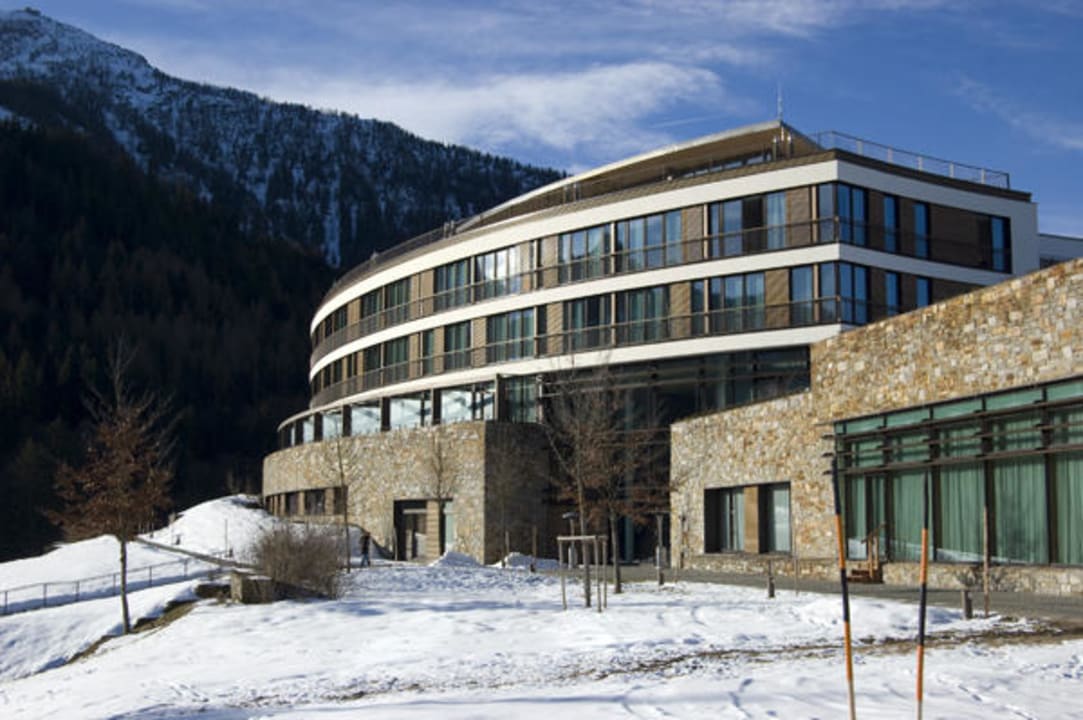
Strategic Guide to Hotels & Resorts in Germany: How to Choose the Perfect Accommodation for Every Type of Traveler
Understanding the Modern German Accommodation Experience
Choosing the right place to stay in Germany is an important part of building a successful travel itinerary. Accommodation affects daily transportation, available time, personal comfort, working efficiency, family routines, and the overall character of a journey. Germany offers an extensive range of accommodation styles, including contemporary city hotels, historic properties, boutique residences, business hotels, family-oriented establishments, serviced apartments, countryside retreats, and full-service resorts. This diversity gives travelers substantial choice, but it also means that selecting a suitable property requires more than comparing room photographs and advertised prices.
Travelers beginning their research through Hotels & Resorts in Germany can simplify the process by identifying their primary travel objectives before reviewing individual properties. A short urban visit has different requirements from a two-week family holiday. A professional conference trip requires a different environment from a relaxed countryside retreat. A road trip introduces parking and accessibility considerations, while an international flight itinerary makes airport and railway connections more important.
A professional accommodation strategy therefore starts with the traveler rather than the hotel. Instead of asking which property looks most impressive, it is more useful to ask which property supports the intended itinerary most effectively. This shift in perspective makes it easier to compare location, room design, transportation, services, dining, connectivity, and additional facilities in a structured way.
What Makes a Hotel Suitable for a Professional Traveler?
Professional travelers often operate according to demanding schedules. Meetings may begin early, appointments may be distributed across different parts of a city, and work may continue after returning to the hotel. For this reason, business accommodation should be evaluated according to efficiency rather than appearance alone.
A practical business hotel should provide a comfortable environment where guests can prepare for meetings, communicate with colleagues, manage digital tasks, and rest between appointments. Reliable internet access is essential, but workspace quality is also important. A suitable desk, comfortable chair, accessible power outlets, good lighting, and an environment with manageable noise levels can make a meaningful difference.
Location is equally significant. A hotel positioned close to public transportation may provide more flexibility than a property that is geographically closer to one destination but poorly connected to the rest of the city. Travelers should consider their entire schedule instead of calculating distance to a single meeting location.
Core Hotel Specifications, Functions and Benefits
A structured comparison table can make accommodation research considerably more efficient. The following specifications provide a practical framework for comparing properties in different German destinations.
| Specification | Function | Key Features | Practical Benefit |
|---|---|---|---|
| Location | Connects the property with destinations on the itinerary | Central districts, transportation, nearby services | Reduces unnecessary travel time |
| Room Configuration | Provides suitable sleeping and living arrangements | Single, double, twin, family rooms, suites | Matches accommodation to guest requirements |
| Internet | Supports digital communication and work | Wi-Fi, workspace, charging points | Improves productivity and convenience |
| Dining | Provides access to convenient meals | Breakfast, restaurant, nearby dining | Saves time during busy schedules |
| Parking | Supports guests arriving by vehicle | Private parking, garages, charging facilities | Improves road-trip convenience |
| Wellness | Supports relaxation and personal routines | Fitness areas, pools, relaxation spaces | Adds value during extended stays |
| Business Facilities | Supports professional activities | Desks, meeting areas, connectivity | Allows guests to remain productive |
| Family Facilities | Supports families and groups | Family rooms, connecting rooms, larger layouts | Improves comfort and organization |
| Arrival Services | Supports check-in and departure | Reception, luggage storage, flexible procedures | Reduces logistical friction |
| Accessibility | Supports travelers with specific requirements | Step-free access, elevators, suitable bathrooms | Creates a more practical stay |
Why Location Should Be the First Selection Criterion
Location determines how much time a traveler spends moving between accommodation and planned destinations. Even a highly comfortable hotel can become inconvenient if every daily activity requires complicated transportation. Conversely, a property with fewer luxury features can provide excellent practical value when it is positioned close to important destinations and transportation connections.
Travelers should therefore map their itinerary before selecting accommodation. Identify museums, business districts, conference centers, shopping areas, railway stations, airports, restaurants, or other locations that are likely to appear repeatedly in the schedule. The hotel can then be evaluated according to its relationship with those points.
This strategy is particularly valuable when comparing Hotels in Berlin. Berlin is extensive, and travelers may experience significantly different daily routines depending on where they stay. Transportation access can therefore be more useful than simply searching for a property described as central.
A professional location assessment should also consider the return journey at the end of each day. A hotel that is convenient in the morning but difficult to reach at night may not provide the same overall practicality as a property with consistent transportation options.
Hotels in Berlin: Creating a Flexible Urban Base
Berlin is one of Germany's most varied accommodation markets. Travelers can choose from modern hotels, design-focused properties, historic buildings, business accommodation, family rooms, apartment-style options, and smaller boutique establishments. This variety allows different types of travelers to build very different experiences in the same city.
Visitors planning a short trip should focus strongly on transportation and proximity to their most important activities. Every hour spent transferring between locations reduces the amount of time available for sightseeing, dining, cultural exploration, or relaxation.
Longer stays offer greater flexibility. Travelers can consider quieter neighborhoods, distinctive architecture, larger rooms, or additional facilities because they have more time to travel between different parts of the city.
Business travelers should pay particular attention to workspace, internet connectivity, transportation, meeting locations, and room quietness. Families should examine room configuration, nearby services, and the practicality of daily transportation. Couples may place greater emphasis on atmosphere, design, dining, and neighborhood character.
Berlin Accommodation Strategy
Start with the daily itinerary rather than the hotel list. Identify the districts that will matter most, determine the transportation routes between them, and then select accommodation that provides a practical base for the complete journey.
Hotels in Munich: Combining Business, Culture and Comfort
Munich attracts business visitors, families, couples, international travelers, and guests using the city as a base for wider exploration. As a result, accommodation requirements can differ considerably from one traveler to another.
When comparing Hotels in Munich, travelers should begin by deciding how much time they expect to spend inside the hotel. A visitor with a full sightseeing schedule may need only a comfortable room and efficient transportation. A professional traveler may require a productive workspace and quiet environment. A family may require more space and convenient services.
The surrounding neighborhood should also be considered. Access to restaurants, grocery stores, transportation, and other everyday services can become increasingly important when the stay extends beyond a few nights.
Munich accommodation can also be evaluated according to the rhythm of the itinerary. A hotel that supports quick morning departures and easy evening returns can make a busy schedule considerably more manageable.
Hotels in Hamburg: Selecting Accommodation Around the Daily Route
Hamburg combines business, culture, shopping, architecture, waterfront areas, entertainment, and transportation connections. Because the city supports many different travel purposes, choosing the right accommodation requires a clear understanding of the daily route.
Travelers researching Hotels in Hamburg should consider whether the itinerary is concentrated in one area or distributed across several districts. When activities are spread widely, transportation access can become a primary selection factor.
Longer stays also make room comfort more important. A traveler who spends only one night may tolerate a compact room, while a guest staying for a week may benefit from additional seating, storage, workspace, and a more residential layout.
The surrounding neighborhood should also support the traveler's preferred routine. Nearby dining, convenient transportation, everyday shopping, and accessible walking routes can all add practical value to a hotel location.
Hotels in Frankfurt: Efficiency for International and Business Travel
Frankfurt is particularly relevant for travelers whose schedules depend on meetings, exhibitions, business districts, airports, railway connections, or short international visits. This makes time management an important part of accommodation selection.
Travelers comparing Hotels in Frankfurt should consider the complete transportation chain. The hotel should be evaluated according to how easily guests can reach meetings, stations, airports, and other destinations on the itinerary.
A professional room environment is also valuable. Business travelers may need to review documents, conduct online meetings, prepare presentations, or respond to messages outside standard office hours. A functional workspace and reliable internet can therefore contribute directly to the effectiveness of the trip.
Arrival flexibility is another consideration. International schedules can involve late arrivals, and clear check-in arrangements can make the transition from airport to hotel much smoother.
Luxury Hotels: Evaluating Value Beyond Visual Appeal
Luxury accommodation can provide an elevated experience through architecture, interior design, spacious rooms, personalized services, premium facilities, and attention to detail. However, travelers should evaluate luxury according to their own itinerary rather than assuming that a higher category automatically creates better practical value.
Guests who plan to spend significant time at the property may benefit from extensive wellness, dining, recreation, and lounge facilities. Guests who leave the hotel early every morning and return late at night may value location, bed quality, bathroom comfort, and transportation much more.
A professional approach separates visual luxury from functional luxury. Visual luxury includes design, materials, views, furnishings, and atmosphere. Functional luxury includes efficient service, privacy, comfortable room planning, connectivity, convenient transportation, and the ability to reduce travel friction.
Boutique Hotels and Design-Led Stays
Boutique hotels appeal to travelers who want accommodation with a distinctive personality. Individual architecture, creative interiors, local references, smaller room counts, and personalized service can create a more memorable environment than standardized accommodation.
The design should nevertheless be considered alongside functionality. Travelers should examine room dimensions, storage, lighting, bathroom design, workspace, connectivity, and sleeping arrangements before allowing aesthetics to dominate the selection process.
Boutique accommodation can be particularly suitable for couples and leisure travelers who want the hotel to become part of the destination experience. It can also be attractive for business travelers when the property provides the necessary practical services.
Family Accommodation: Space, Routine and Convenience
Family travel introduces additional accommodation requirements because several people need to share the same environment. Room configuration becomes particularly important. Families should confirm the number of beds, bed types, room capacity, bathroom arrangements, and available storage.
The hotel's location can also influence family comfort. A convenient transportation connection can reduce the number of complicated transfers required each day. Nearby dining and shopping options can make everyday routines easier.
Families staying for several nights should also consider how the room will function between activities. Seating, storage, natural light, and sufficient movement space can make a substantial difference.
Family Room Planning
Verify actual bed arrangements, room capacity, bathroom facilities, storage, and the amount of usable space before booking.
Transportation
Choose a property that minimizes unnecessary transfers and provides practical access to planned attractions.
Daily Convenience
Nearby restaurants, shops, transportation, and useful services can significantly improve a family stay.
Serviced Apartments for Longer Visits
Extended stays can change the way travelers evaluate accommodation. A room that is perfectly adequate for two nights may feel restrictive after two weeks. Longer visits create greater demand for storage, seating, workspace, laundry access, and a more residential environment.
Serviced apartments can address some of these requirements by providing additional living space and practical facilities. Traditional hotels can also be suitable for extended stays when they offer spacious room categories and services that support a daily routine.
The right choice depends on how the traveler intends to use the property. Guests who spend most of the day outside may not require a large living area, while remote professionals or families may place much greater value on residential space.
Accommodation for Couples
Couples often evaluate hotels according to a combination of comfort, atmosphere, privacy, location, and access to dining or leisure activities. The surrounding neighborhood can become an important part of the experience because it determines what guests can do without extensive transportation.
Room atmosphere can also influence the quality of a leisure stay. Comfortable bedding, thoughtful lighting, seating, views, and well-designed bathrooms can contribute to a more enjoyable environment.
However, practical details should remain part of the selection process. Comfortable sleeping arrangements, adequate storage, climate control, connectivity, and convenient transportation remain fundamental even when atmosphere is a priority.
Accommodation for Solo Travelers
Solo travelers often have greater flexibility because they require less room capacity. A compact but well-designed room can provide excellent functionality when it includes a comfortable bed, useful storage, suitable workspace, and a practical bathroom.
Location can become especially important for solo visitors because the traveler is responsible for managing transportation and daily planning independently. Easy access to public transportation, restaurants, shops, and major destinations can reduce logistical complexity.
Common areas and hotel dining can also be useful for travelers who prefer convenient options without arranging every meal externally.
Business Hotels and Professional Productivity
A business-oriented hotel should function as an extension of the traveler's professional routine. Guests may need to work before breakfast, prepare between meetings, communicate with colleagues, or finish tasks late in the evening.
Reliable connectivity is fundamental, but the workspace should also be evaluated. A suitable desk, ergonomic seating, accessible power, and appropriate lighting can transform a room from a sleeping space into a practical temporary office.
Transportation remains equally important. The best business accommodation is often the property that makes the entire schedule easier rather than the one that simply offers the most facilities.
Planning Car Travel Around Accommodation
Road trips require a different approach to hotel selection because parking and vehicle access become essential. A property that is excellent for a pedestrian itinerary may be inconvenient when the traveler is carrying luggage and driving between destinations.
Travelers considering Car rentals in Germany should include parking availability, access roads, vehicle size, and the route between hotels when building the itinerary.
For regional travel, a car can expand the range of possible accommodation locations. Travelers may choose properties outside major urban centers when driving makes access straightforward. This can open additional options for countryside stays and resort-style accommodation.
Flights and Hotel Planning as One Travel System
Accommodation should be planned alongside flight schedules rather than after them. Arrival and departure times can influence which neighborhoods and property types are practical.
Travelers researching Flights to Germany should consider the complete route from airport to hotel. An efficient flight can still create an inconvenient arrival if the final ground transfer is complicated.
Early departures deserve particular attention. Travelers may prefer accommodation with easy airport connections when a flight leaves early in the morning. Late arrivals can similarly make clear reception and check-in procedures more valuable.
How Room Type Influences the Travel Experience
Room categories are not merely labels. They define how travelers sleep, work, store luggage, relax, and organize their belongings during the stay. A careful selection should therefore reflect the number of guests and the length of the visit.
Single rooms can be efficient for solo travelers. Double rooms may suit couples, while twin rooms can be useful for friends or colleagues who require separate beds. Family rooms and suites can provide additional space for groups.
Travelers should always examine the actual room description because similar names can represent different layouts between properties. Room dimensions, bed configuration, seating, storage, and bathroom arrangements are particularly useful comparison points.
Internet Connectivity and Modern Hotel Expectations
Digital connectivity has become a fundamental hotel requirement. Travelers use online services for navigation, communication, reservations, work, transportation, entertainment, and itinerary management.
Business travelers require an even higher standard because unstable connectivity can interfere with professional responsibilities. A practical workspace should therefore be considered alongside internet availability.
Charging infrastructure is also increasingly relevant. Modern travelers may carry multiple devices, and accessible power outlets can make a room considerably more functional.
Breakfast and Dining Strategy
Breakfast can simplify the daily routine, particularly for families, business travelers, and guests with early activities. Having a convenient meal option at the property can reduce the time needed to organize the morning.
Other travelers may prefer accommodation located near local restaurants and cafes. For them, neighborhood dining opportunities may provide greater value than an extensive hotel restaurant.
The decision should therefore be based on schedule and personal travel style. Hotel dining is valuable when it solves a practical problem or contributes meaningfully to the experience.
Wellness Facilities and Resort Accommodation
Resort accommodation becomes particularly attractive when guests want the property itself to contribute significantly to the holiday. Wellness areas, fitness facilities, pools, landscaped spaces, relaxation rooms, and recreational areas can encourage guests to spend more time on-site.
These facilities become more valuable during longer stays because guests have greater opportunity to use them. During a short city break, however, extensive facilities may receive little use if most of the day is spent sightseeing.
Travelers should therefore compare resort facilities with the intended schedule. The goal is to select features that genuinely support the journey rather than simply accumulating amenities.
City Hotels Versus Countryside Resorts
City hotels and countryside resorts offer fundamentally different travel environments. Urban accommodation emphasizes access, mobility, business, culture, shopping, and transportation. Countryside properties may focus on scenery, relaxation, outdoor space, wellness, and slower daily routines.
Travelers should determine whether the destination itself is the primary attraction or whether the accommodation is expected to be a major part of the holiday. This distinction can immediately narrow the appropriate property category.
A traveler with a packed sightseeing schedule may benefit from a city hotel. Someone planning a quiet retreat may gain more from a resort where the property offers activities and relaxation without requiring frequent transportation.
How to Compare Hotel Value Instead of Only Price
A professional accommodation comparison should consider the complete cost and convenience of the stay. The cheapest room is not automatically the most economical option if it creates additional transportation costs or requires inconvenient daily transfers.
Travelers should consider parking, breakfast, transportation, room size, location, and facilities they genuinely expect to use. A slightly more expensive hotel may provide greater practical value when it saves substantial time or eliminates additional expenses.
This approach creates a more accurate understanding of value. The objective is not simply to minimize the room rate but to select accommodation that contributes positively to the overall journey.
Seasonal Hotel Planning in Germany
Seasonal conditions can change the importance of different accommodation features. During colder periods, guests may place greater emphasis on indoor comfort, heating, transportation, and convenient luggage handling.
During warmer periods, outdoor areas, ventilation, parks, walking routes, and recreational facilities may become more important. Travelers should evaluate seasonal features according to the activities planned during the trip.
Travel dates can also affect availability. Guests with fixed schedules may benefit from researching accommodation earlier, while flexible travelers can compare different dates and room categories.
Building a Multi-City German Itinerary
A multi-city itinerary requires coordination between transportation, accommodation, and activities. Each city should have a clear role in the journey, and the hotel should support that role.
Berlin may represent a cultural and urban exploration stage. Munich may combine business, leisure, and regional travel. Hamburg may emphasize city exploration and waterfront areas. Frankfurt may serve a business or international transportation purpose.
The accommodation strategy should change according to the purpose of each stop. Travelers should not assume that one room category, neighborhood style, or property type will be equally suitable throughout the entire journey.
Creating a Professional Hotel Shortlist
An effective shortlist should contain only properties that already meet the essential requirements. Starting with dozens of hotels can make comparison unnecessarily complicated.
The first filter should be location. Remove properties that do not fit the itinerary. The second filter should be room capacity and configuration. The third should cover essential facilities, transportation, and accessibility. Only after those requirements are satisfied should travelers compare design, additional amenities, or secondary preferences.
This method allows travelers to make decisions based on relevant information rather than being distracted by impressive photographs or long facility lists.
Define
Clarify destination, travel purpose, dates, number of guests, transportation and expected daily activities.
Filter
Remove properties that fail essential location, room, accessibility or transportation requirements.
Compare
Evaluate the remaining options according to comfort, facilities, total value, design and service expectations.
Accessibility and Specific Accommodation Requirements
Travelers with accessibility requirements should identify their needs before beginning the final booking stage. Relevant considerations may include step-free entrances, elevator access, bathroom configuration, room location, accessible parking, and other specific requirements.
The same principle applies to other important room preferences. Guests who require separate beds, a particular workspace, quiet surroundings, extra storage, or a specific room configuration should verify those requirements rather than relying solely on general property descriptions.
Clear communication before arrival can help prevent misunderstandings and make the accommodation experience more predictable.
Hotel Policies and Booking Details
Before finalizing a reservation, travelers should review relevant property policies. Check-in and check-out times, cancellation conditions, payment requirements, occupancy limits, parking arrangements, and special requests can all influence the practicality of a booking.
These details become particularly important for international travel and multi-city itineraries because a small change in one part of the schedule can affect the next accommodation.
Travelers should also confirm features that are essential. If a particular room configuration, accessibility feature, parking arrangement, or workspace is necessary, it should be verified in advance.
Accommodation Planning for Short City Breaks
Short trips require a strong focus on efficiency. When travelers have only a few days, location and transportation can be more valuable than extensive hotel facilities.
The hotel should ideally allow guests to begin the day efficiently and return without complicated transportation after evening activities. Comfortable sleeping arrangements remain essential because short trips often involve full schedules.
Travelers should also pay attention to check-in and luggage arrangements. A smooth arrival can make a meaningful difference when every hour of the trip is valuable.
Accommodation Planning for Extended Holidays
Longer holidays require a broader evaluation. Guests will spend more time in the room and surrounding property, making storage, seating, workspace, dining, laundry access, and neighborhood services more important.
The accommodation should support a sustainable daily routine rather than merely provide overnight shelter. A comfortable environment can help travelers maintain energy during longer journeys.
This is where serviced apartments, suites, and resort properties can become particularly useful, depending on the traveler's priorities.
Road Trip Accommodation Strategy
Road trips require hotels that integrate naturally into the driving route. Parking should be considered before booking, and travelers should evaluate how easily vehicles can enter and leave the property.
The distance between accommodation stops should also be reasonable. Excessive driving between hotels can turn a relaxing itinerary into a demanding schedule.
Travelers using Car rentals in Germany can coordinate vehicle selection and accommodation planning so that both parts of the itinerary support one another.
Airport Hotels and First-Night Accommodation
Airport-oriented accommodation can be useful when travelers arrive late, depart early, or need to remain close to an aviation hub. These properties are often selected for convenience rather than sightseeing.
For the first night of an international journey, minimizing transfer complexity can be particularly useful. After a long flight, travelers may prefer a straightforward route to the hotel and a simple check-in process.
For the final night, airport proximity can similarly reduce pressure before an early departure.
Rail Travel and Hotel Location
Germany's rail network makes train-oriented travel an important consideration for many itineraries. Travelers using rail should examine the distance between the hotel and the relevant station, as well as the practical route with luggage.
A hotel does not necessarily need to be immediately beside a station. A straightforward public transportation connection can be sufficient, particularly when it avoids complicated transfers.
Rail-focused travelers should also consider how the hotel fits into the sequence of cities. Accommodation near practical transportation routes can make multi-city journeys easier to organize.
Professional Hotel Selection for International Visitors
International visitors often benefit from a more detailed arrival plan. Airport transportation, luggage, check-in procedures, language accessibility, digital communication, payment arrangements, and the first day's schedule should all be considered.
A hotel that provides clear information and practical arrival procedures can reduce uncertainty for visitors who are unfamiliar with the destination.
International travelers should also think about the final day. Easy transportation to the airport or railway station can simplify departure and reduce unnecessary stress.
How Hotel Design Influences Functionality
Good hotel design combines aesthetics with practical use. Lighting should support both relaxation and work. Furniture should create comfortable movement through the room. Storage should accommodate realistic luggage needs, and bathroom layouts should be convenient.
Design becomes especially important during longer stays because guests interact with the room repeatedly. A visually attractive but poorly organized room can become frustrating, while a thoughtfully designed room can make even a compact space feel highly functional.
Travelers should therefore evaluate design through actual use rather than appearance alone.
Technology in the Modern Hotel Experience
Technology is increasingly integrated into accommodation through digital booking systems, online check-in options, mobile communication, electronic access, internet services, and digital travel planning.
These technologies can improve convenience when they are intuitive and reliable. Travelers should still consider whether traditional support is available when needed, particularly during late arrivals or unexpected schedule changes.
The strongest hotel experience usually combines digital convenience with accessible human support when required.
How to Match Hotel Facilities With Traveler Profiles
Different traveler profiles naturally prioritize different facilities. Business guests may value workspace and connectivity. Families may prioritize room capacity and convenient transportation. Couples may emphasize atmosphere and dining. Solo travelers may value location and efficient room design.
Resort guests may prioritize wellness and recreation, while road-trippers may focus on parking and vehicle access.
Understanding these profiles allows travelers to avoid paying attention to features that have little relevance to their actual journey.
Professional Accommodation Checklist
- Define the primary purpose of the trip.
- Identify the locations that will be visited most frequently.
- Determine the required room type and sleeping arrangement.
- Decide whether public transportation or a car will be used.
- Check parking requirements if traveling by vehicle.
- Confirm internet and workspace needs.
- Evaluate breakfast and dining preferences.
- Consider wellness and recreational requirements.
- Review accessibility requirements.
- Check arrival and departure arrangements.
- Review relevant property policies.
- Compare the total value of shortlisted properties.
Applying this framework to Hotels & Resorts in Germany makes it easier to compare different cities and accommodation categories using the same professional standards.
How to Plan Hotels Around Flight Schedules
Flight schedules can determine where travelers should stay on the first and final nights. Early departures can make airport accessibility particularly valuable, while late arrivals may make simple check-in procedures more important.
When evaluating Flights to Germany, travelers should examine the entire journey rather than considering airfare independently from accommodation.
The same approach is useful when connecting flights, rail journeys, or multiple cities are involved. Every accommodation decision should support the movement pattern of the complete itinerary.
Why Total Convenience Matters
The strongest accommodation decisions reduce friction. They make transportation easier, provide appropriate room space, support sleep and work, simplify meals, and create an environment that matches the pace of the trip.
Convenience is cumulative. A short walk to transportation, accessible charging, reliable internet, practical storage, and simple check-in may each seem like minor benefits. Together, however, they can make a noticeable difference in the overall travel experience.
This is why professional hotel selection considers the complete guest journey rather than isolated features.
Comparing German Accommodation by Trip Purpose
For sightseeing, location and transportation should usually receive significant attention. For business, productivity and schedule efficiency become central. For family travel, room configuration and everyday convenience are especially relevant.
For a romantic city break, atmosphere, design, dining, and neighborhood character may have greater importance. For a countryside retreat, scenery, wellness, recreation, and property facilities can become primary considerations.
For a road trip, parking and route accessibility become essential. For an airport-focused stay, transfer simplicity and departure timing can dominate the decision.
Berlin, Munich, Hamburg and Frankfurt as Different Accommodation Experiences
Germany's major cities should not be treated as identical hotel markets. Each city has its own travel patterns, neighborhood structures, transportation considerations, and mix of business and leisure visitors.
Berlin can provide a highly varied urban experience, making neighborhood selection particularly important. Munich can require a balance between professional travel, cultural activities, family requirements, and regional exploration.
Hamburg can appeal to travelers who want to combine urban activities with distinctive waterfront and neighborhood experiences. Frankfurt can be especially relevant for business, international travel, exhibitions, and transportation connections.
This diversity makes city-specific research valuable. Travelers should adapt the accommodation strategy to the character of each destination rather than applying a single formula.
Making the Booking Process More Efficient
The booking process becomes easier when travelers define non-negotiable criteria first. For example, a family may require a particular room capacity. A business traveler may require a workspace. A road traveler may require parking.
Once these criteria are defined, properties that do not satisfy them can be removed immediately. This reduces the amount of time spent comparing irrelevant options.
Secondary preferences can then be used to distinguish between the remaining properties. These may include design, views, additional dining, wellness facilities, neighborhood atmosphere, or room upgrades.
Creating a Complete Germany Accommodation Plan
A complete accommodation plan should connect every overnight stay with the next stage of the journey. Travelers should understand where they will arrive, how they will reach the hotel, what activities are planned nearby, and how they will depart for the next destination.
This approach is especially useful for multi-city itineraries. Instead of booking hotels independently, travelers can design the route first and then select accommodation that supports the route.
For example, a journey that includes Berlin, Munich, Hamburg, and Frankfurt can use different accommodation priorities at each stage. The same traveler may require a cultural base in one city, a business-oriented property in another, and a transportation-focused hotel elsewhere.
Questions and Answers for Hotel Planning
What should I consider first when booking a hotel in Germany?
Start with the purpose of the trip and the locations you expect to visit most often. Then evaluate transportation, room configuration, essential facilities, and total value.
Are central hotels always better?
Not necessarily. A well-connected property outside the immediate center can offer practical transportation, quieter surroundings, better room space, or other useful advantages.
What should families look for?
Families should examine bed arrangements, room capacity, storage, bathrooms, transportation, nearby services, and the suitability of the daily itinerary.
What makes a hotel suitable for business travel?
Useful business features include reliable internet, a practical workspace, quiet surroundings, transportation access, and convenient arrival procedures.
Are boutique hotels practical?
Yes, when their distinctive design is combined with comfortable rooms, suitable facilities, reliable connectivity, and a location that supports the itinerary.
Should I rent a car for a Germany trip?
The decision depends on the itinerary. Cars can be useful for regional and countryside travel, while major urban trips may be easier with public transportation.
How important is hotel location?
Location can strongly influence daily convenience because it affects transportation time, access to attractions, and the ease of returning to the property.
What is important during an extended stay?
Longer stays make storage, workspace, seating, dining, laundry, neighborhood services, and overall room comfort increasingly important.
How can I compare two similar hotels?
Compare their locations, room configurations, transportation, essential facilities, total costs, policies, and the features you are actually likely to use.
Is hotel breakfast necessary?
Breakfast is valuable when it simplifies the morning routine. Travelers who enjoy exploring local dining may prefer accommodation surrounded by restaurants instead.
What should travelers with accessibility needs do?
Identify the exact requirements and verify the relevant facilities before booking. Essential features should be confirmed rather than assumed.
Are resorts suitable for short trips?
They can be, but travelers should consider whether there will be enough time to use the resort facilities. A city hotel may be more practical for intensive sightseeing schedules.
What is important for road-trip accommodation?
Parking, road access, convenient arrival, room comfort, and the property's position along the planned route are key considerations.
How should flights influence hotel selection?
Arrival and departure times can influence the best location. Early flights may increase the value of airport connectivity, while late arrivals make simple check-in useful.
Should I choose a hotel based only on its star category?
No. Star classification can provide useful information, but location, room functionality, transportation, services, and itinerary compatibility should also be evaluated.
How can I avoid spending too much time researching hotels?
Create a shortlist based on non-negotiable requirements first. Then compare the remaining properties according to secondary preferences and overall value.
Professional Approach to Accommodation Value
The value of a hotel is created by the relationship between its features and the traveler's requirements. A room is valuable when it provides appropriate comfort. A location is valuable when it saves time. A restaurant is valuable when it simplifies the daily schedule. A workspace is valuable when it enables productive work.
This benefit-based perspective provides a more accurate way to evaluate accommodation. Instead of simply counting facilities, travelers can determine whether those facilities solve actual problems.
The approach also makes it easier to compare properties with very different styles. A boutique hotel and a large business hotel may appear difficult to compare, but both can be evaluated through location, room quality, connectivity, services, transportation, and itinerary suitability.
Planning a Comfortable Arrival
The arrival experience sets the tone for the stay. Travelers should consider the journey from the airport or station to the hotel, luggage handling, check-in procedures, room access, and the availability of essential services.
A simple arrival can be especially valuable after a long international journey. Clear directions, convenient transportation, flexible reception arrangements, and easy room access reduce the amount of effort required at the beginning of the trip.
Travelers can use the same principle on departure day. A hotel that provides a straightforward route to the next destination can simplify the final stage of the itinerary.
Accommodation and Daily Travel Rhythm
The ideal hotel should complement the rhythm of the journey. Early-rising travelers may value breakfast and transportation access. Guests with late evenings may prioritize easy returns and comfortable rooms. Remote professionals may require a workspace throughout the day.
Families may need a property that allows them to return easily between activities. Couples may prefer a neighborhood where evening dining and walking are convenient.
The hotel therefore becomes part of the daily routine. Selecting it according to that routine can improve the experience without requiring additional luxury or unnecessary complexity.
Building a Reliable Hotel Comparison System
A reliable comparison system uses the same criteria for every property. Travelers can create categories for location, room, transportation, connectivity, dining, parking, wellness, accessibility, and total cost.
Each property can then be reviewed according to those categories without allowing one attractive feature to dominate the entire decision. This is especially useful when several hotels have similar prices but very different locations or room configurations.
The final shortlist should contain properties that meet all essential requirements. Secondary preferences can then determine the final selection.
Destination Research and Hotel Selection
Destination research should always influence hotel selection. Travelers should understand what they intend to see and how they expect to move through the city before choosing accommodation.
The process is particularly effective when planning major destinations such as Berlin, Munich, Hamburg, and Frankfurt. Each city can require a different combination of central access, transportation, business convenience, family facilities, and leisure features.
This approach ensures that accommodation serves the destination rather than becoming an isolated booking decision.
Integrating Hotels With Car Rental Planning
Travelers who plan to drive should connect their hotel search with vehicle planning from the beginning. Parking, vehicle access, route structure, and daily driving distances can influence which accommodation locations are practical.
Using Car rentals in Germany as part of the broader planning process allows travelers to consider accommodation and mobility together.
This is particularly useful when an itinerary combines major cities with smaller destinations or countryside properties. The vehicle can expand accommodation choices, but the hotel must still provide practical access and suitable parking.
Integrating Hotels With Flight Planning
Flight planning should also be integrated into accommodation research. Travelers should understand the airport they are using, the transfer time to the hotel, the expected arrival hour, and the departure schedule.
Researching Flights to Germany alongside hotel locations can make the entire itinerary more coherent.
When the arrival and departure points differ, travelers should also examine how the accommodation fits the route between them. This can prevent unnecessary backtracking.
How Professional Travel Content Should Present Accommodation
Effective accommodation content should be informative, structured, and benefit-oriented. Readers need practical information that helps them understand which type of property may suit their circumstances.
Strong content explains the relationship between features and benefits. It does not simply state that a hotel has internet access; it explains why reliable connectivity matters to business travelers and modern travelers. It does not merely mention parking; it explains its relevance to road trips.
This approach creates useful content that remains relevant across different hotel categories and traveler profiles.
Final Accommodation Framework for Germany
A professional hotel selection framework can be summarized in several stages. Define the purpose of the journey. Identify the locations that matter. Decide how you will move around. Select the appropriate room configuration. Determine essential facilities. Compare total value. Finally, verify the details that could affect the reservation.
This framework is flexible enough for city breaks, business travel, family holidays, road trips, romantic stays, extended visits, and resort-focused vacations. It can also be applied consistently across different German destinations.
Travelers comparing Hotels in Berlin, Hotels in Munich, Hotels in Hamburg, and Hotels in Frankfurt can use the same fundamental principles while adjusting priorities to each destination.
The most useful accommodation is ultimately the one that fits the traveler, the itinerary, and the destination at the same time. By evaluating location, room functionality, transportation, connectivity, services, dining, accessibility, and total value, travelers can create a more efficient and comfortable German travel experience.
Comments
Post a Comment