Smart Guide to Hotels & Resorts in Austria: Vienna, Salzburg, Innsbruck, Graz and Seamless Travel Planning
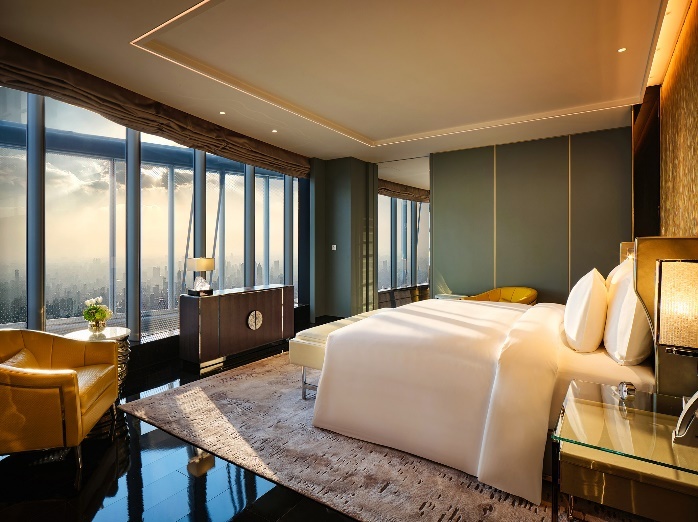
Understanding the Austrian Hotel Experience
Austria offers a remarkably diverse hospitality landscape, making accommodation selection an important part of planning a successful journey. Travelers can choose from elegant city hotels, traditional alpine properties, contemporary business accommodation, family-friendly establishments, boutique residences, wellness-focused resorts, and countryside retreats. The right property depends on the purpose of the trip, the destination, the desired atmosphere, transportation preferences, and the amount of time available.
A useful starting point is to explore a broad selection of Hotels & Resorts in Austria before deciding on a particular city. This approach makes it easier to understand how accommodation styles change from one region to another and helps travelers organize their expectations before narrowing their search.
Austria's major destinations have distinct personalities. Vienna combines historic architecture, museums, refined urban neighborhoods, cultural attractions, and extensive public transportation. Salzburg provides a more compact setting surrounded by dramatic landscapes and celebrated historic landmarks. Innsbruck places visitors close to alpine scenery and mountain activities, while Graz offers a relaxed urban environment with a strong architectural and culinary identity. Each location can support a different type of travel plan.
Accommodation should therefore be treated as part of the overall itinerary rather than as a simple overnight requirement. A well-positioned hotel can reduce daily transportation time, simplify sightseeing, provide a comfortable base between activities, and make the entire journey feel more organized. Travelers who compare location, room categories, services, accessibility, and surrounding amenities usually have a clearer picture of what each property can contribute to their trip.
Hotel Specifications, Functions and Key Features
| Category | Specification | Function | Key Benefit |
|---|---|---|---|
| Location | Central districts, historic areas, transport corridors, alpine zones or quieter outskirts | Connects accommodation with planned activities | Better use of daily travel time |
| Room Type | Single, double, twin, family, suite and premium categories | Matches accommodation with traveler requirements | Improved comfort and practical space |
| Connectivity | Wi-Fi and convenient access to transportation | Supports communication, planning and mobility | More convenient travel management |
| Guest Services | Reception, housekeeping, luggage support and information services | Improves the day-to-day hotel experience | Greater convenience |
| Dining | Breakfast services, restaurants, cafés or nearby dining options | Supports flexible meal planning | Less time spent searching for essentials |
| Wellness | Selected properties may provide fitness, spa or relaxation facilities | Creates opportunities for rest and recovery | A more balanced stay |
| Business Features | Workspaces, desks, meeting areas and reliable internet | Supports professional travel | Combines accommodation and productivity |
| Family Features | Larger rooms, connected rooms or practical family arrangements | Accommodates multiple travelers | Greater flexibility for family trips |
| Transport Access | Public transport, parking or rental-car accessibility | Connects the property to the wider destination | Easier itinerary execution |
These specifications provide a practical framework for evaluating accommodation. Instead of judging a hotel only by appearance, travelers can consider how each feature supports the actual purpose of the journey. A central location may matter most for a short city break, while parking and easy road access may become more relevant for an itinerary covering several alpine communities.
The same principle applies to room selection. A compact room can be entirely suitable for a traveler who spends most of the day exploring the destination, while a suite or larger room may provide greater value for families, longer stays, or guests who plan to spend more time at the property. Matching the room to the itinerary can help prevent paying for features that are unlikely to be used.
Why Location Deserves Special Attention
Hotel location influences almost every part of a travel schedule. The distance to public transport, major attractions, railway stations, shopping areas, parks and business districts can affect the amount of time available for sightseeing and relaxation. A property that appears inexpensive at first may become less convenient if its location requires lengthy daily transfers, while a centrally positioned hotel may simplify the itinerary even when its nightly rate is different.
Hotels in Vienna: Building a Practical City Stay
Vienna is one of Austria's most recognizable destinations and offers an exceptionally broad range of accommodation styles. Travelers can find properties near historic districts, cultural institutions, shopping streets, major transport connections, business areas, and quieter residential neighborhoods. Exploring Hotels in Vienna allows visitors to compare these different settings before selecting a base.
For first-time visitors, proximity to transportation can be particularly useful. Vienna's urban mobility network makes it possible to move between neighborhoods efficiently, so travelers do not necessarily need to stay immediately beside every attraction. Instead, the ideal location may be one that provides a convenient balance between sightseeing, dining, transportation and evening relaxation.
Cultural travelers may prefer an accommodation area that places museums, historic streets and major landmarks within convenient reach. Business travelers may prioritize transport links and a quiet workspace. Families may place greater importance on room size, elevators, nearby grocery options and easy access to public transportation. These different priorities demonstrate why there is no universal definition of the perfect Vienna hotel.
Another useful consideration is the rhythm of the trip. Visitors with only a short stay can benefit from minimizing unnecessary transfers. Travelers spending several days in Vienna may have more flexibility to select a quieter district and use public transport. The choice should therefore reflect the length of the stay as well as the planned activities.
Room functionality is equally relevant. A comfortable bed, practical storage, suitable lighting, a well-designed bathroom and dependable internet can make a meaningful difference after a full day in the city. When comparing properties, travelers should examine the actual room category rather than assuming that every room in the same hotel offers identical dimensions or facilities.
Vienna Planning Checklist
- Check the hotel's distance from the nearest useful transport connection.
- Compare the room category rather than relying only on the hotel name.
- Consider whether breakfast is useful for your daily schedule.
- Review access to restaurants, shops and everyday services.
- For longer stays, consider neighborhood atmosphere as well as location.
- Confirm practical requirements such as luggage storage and internet access.
Vienna can also work well as the first or final stage of a wider Austrian itinerary. Its transportation infrastructure makes it possible to combine urban sightseeing with visits to other destinations. Travelers organizing a multi-city journey should consider how their hotel choice interacts with arrival and departure plans, particularly when luggage and train connections are involved.
Hotels in Salzburg: Comfort Near Culture and Landscape
Salzburg provides a different accommodation experience from Vienna. The city combines historic architecture with a strong connection to surrounding landscapes, creating an attractive setting for travelers who want culture and scenery within the same itinerary. A search for Hotels in Salzburg can reveal properties suited to short cultural breaks, family holidays, romantic city stays and longer regional journeys.
One of the most useful questions to ask when selecting a Salzburg hotel is whether the location matches the planned pace. Travelers focusing on the historic center may prefer to remain close to major sights, while those using Salzburg as a base for regional exploration may value parking, road accessibility or convenient transport connections more highly.
The atmosphere of the surrounding neighborhood can also shape the stay. A central property may provide easy access to attractions and restaurants, whereas a quieter location can offer a more relaxed evening environment. Neither approach is automatically better; the practical choice depends on how travelers intend to spend their time.
Salzburg is also a destination where seasonal planning can influence accommodation decisions. Travelers visiting during busier periods should compare availability and room types early. Those traveling during quieter periods may have more flexibility when choosing between central properties and accommodations outside the busiest areas.
For families, room configuration can be especially important. A standard double room may not provide the same practicality as a larger family room or interconnected arrangement. Travelers should verify sleeping arrangements, available space and relevant hotel policies before completing a reservation.
Smart Salzburg Accommodation Strategy
Build the hotel decision around the day's main activities. If the itinerary focuses heavily on the historic center, prioritize convenient pedestrian or public transport access. If the trip includes regional driving, investigate parking and road access. This simple distinction can make the accommodation decision much more efficient.
Salzburg can also serve as a strong base for travelers who want to divide their time between urban attractions and nearby natural landscapes. In this case, the hotel's practical transportation options may become just as important as its room design. A comfortable room paired with an efficient location can create a smoother travel routine.
Hotels in Innsbruck: Choosing Accommodation for an Alpine Journey
Innsbruck offers a distinctive combination of urban amenities and alpine surroundings. Travelers interested in Hotels in Innsbruck can consider properties close to the center, transport connections, mountain access points and quieter residential settings.
The destination is particularly suitable for travelers who want a flexible balance between city exploration and outdoor-oriented activities. This makes hotel location an especially useful planning factor. Guests may wish to minimize the time required to move between their accommodation, central attractions and transportation routes leading toward surrounding mountain areas.
A practical hotel in Innsbruck should provide an easy transition between active daytime schedules and comfortable evenings. Storage space, a well-organized bathroom, comfortable bedding and convenient access to local transportation can be more valuable than purely decorative features.
Travelers arriving with luggage should also consider the accessibility of the property. Hotels close to major transportation points can simplify arrival and departure, while properties with convenient vehicle access may appeal to visitors following a road-based itinerary.
Seasonal conditions can also influence what guests value in a property. During colder periods, practical indoor comfort becomes particularly important. During warmer months, travelers may place more emphasis on ventilation, outdoor spaces, views and access to surrounding attractions.
What to Compare in Innsbruck
- Distance to central attractions.
- Access to transportation and regional connections.
- Room storage and practical floor space.
- Parking availability when traveling by car.
- Views, outdoor areas and seasonal comfort features.
- Suitability for the planned combination of city and alpine activities.
The best accommodation strategy for Innsbruck is often one that supports the entire itinerary rather than a single attraction. A hotel that works well for both city exploration and regional movement can reduce unnecessary changes of accommodation and create a more comfortable travel experience.
Hotels in Graz: A Different Austrian City Experience
Graz offers travelers an opportunity to experience Austria from a different urban perspective. Visitors researching Hotels in Graz can compare central accommodation, boutique properties, modern hotels and locations designed for longer stays.
Graz can be appealing to travelers who prefer a city experience that feels structured but less focused on the scale of a major capital. Its combination of historic surroundings, contemporary culture and everyday urban life creates a useful environment for travelers who enjoy exploring neighborhoods rather than moving only between major tourist landmarks.
When choosing a Graz hotel, travelers should consider whether they want immediate access to the central area or a quieter base with convenient transportation. A short distance on a map does not always communicate the complete experience, so examining transport options and the surrounding neighborhood can add valuable context.
Longer stays can benefit from additional room functionality. Guests staying several nights may appreciate more storage, a desk, comfortable seating and easy access to everyday services. Travelers on short visits may instead prioritize location and efficient check-in.
Business travelers can also evaluate meeting facilities, internet connectivity and access to transportation. A well-designed hotel can function as both accommodation and a practical base for professional schedules, reducing the need to move between distant parts of the city.
Graz is also a useful example of why hotel selection should be based on the traveler rather than a generic list of features. The most valuable amenity is the one that directly supports the trip. A family may need flexible room arrangements, a business traveler may need a quiet desk, and a leisure traveler may value neighborhood atmosphere.
How to Compare Austrian Hotels Without Overcomplicating the Decision
Comparing hotels becomes easier when travelers establish a small set of priorities before looking at individual properties. Location, room configuration, transportation, cleanliness standards, guest services, connectivity and total cost are practical categories that can be assessed consistently.
The first priority should usually be location. A hotel can offer attractive facilities, but if it creates difficult daily journeys, the convenience of those facilities may not compensate for the time spent traveling. This is especially relevant for short trips, where every day has limited hours.
The second priority is room suitability. Travelers should identify the number of guests, preferred sleeping arrangement, approximate space requirement and expected time spent inside the room. These factors can quickly eliminate unsuitable categories and make the comparison more focused.
The third consideration is transportation. Austria's cities have different mobility patterns, and regional journeys can require different planning. Travelers who intend to remain in one city may prioritize public transport, while those planning a broader route may prefer access to major roads or rental-car facilities.
Cost should be evaluated in context rather than as a single nightly figure. A lower room price may not represent the lowest overall travel cost if it creates additional transportation expenses or requires inconvenient transfers. Conversely, a higher-priced central property may offer savings in time and local transport.
A Simple Hotel Comparison Formula
Consider four practical categories: location, room suitability, transportation convenience and total trip value. Assign each category personal importance, then compare properties using the same criteria. This method produces a more consistent decision process than switching between unrelated hotel features.
Travelers should also distinguish between essential features and attractive extras. Reliable internet, suitable sleeping arrangements and practical transportation may be essential, while decorative design, extensive leisure facilities or premium room views may be secondary depending on the itinerary.
Another important factor is flexibility. Plans can change because of transportation schedules, weather conditions, personal preferences or unexpected delays. Properties with practical policies and convenient access to transportation can make itinerary adjustments easier.
Planning Car Rentals in Austria
A vehicle can add flexibility to an Austrian itinerary, particularly when travelers want to explore several destinations or spend time outside major city centers. Researching Car rentals in Austria can be useful when building a route that includes multiple regions.
Rental cars can be particularly practical when the itinerary includes rural areas, scenic routes or several stops that are not directly connected by the traveler's preferred public transportation schedule. However, a vehicle is not automatically necessary for every Austrian trip. In major cities, public transport can often provide a practical alternative.
Before renting a vehicle, travelers should consider the complete route rather than simply the rental price. Parking, fuel, toll requirements, vehicle size and pickup location can all influence the practical value of a rental. A smaller vehicle may be easier to manage in urban environments, while luggage requirements may influence the appropriate vehicle category.
Hotel selection and car rental planning should also be connected. Travelers using a vehicle may want accommodation with suitable parking arrangements. Those staying in central districts should check parking availability and any related conditions before finalizing the property.
A useful strategy is to divide the itinerary into driving and non-driving sections. For example, a traveler might use public transportation within a major city and rent a vehicle only for a regional segment. This can reduce unnecessary vehicle costs while retaining flexibility where it provides the greatest practical value.
Car Rental Planning Checklist
- Define the exact route before selecting the vehicle category.
- Check whether parking is available at the chosen hotel.
- Consider luggage volume when selecting vehicle size.
- Review pickup and return locations carefully.
- Compare the complete cost rather than the headline rental rate alone.
- Decide which parts of the trip actually benefit from having a car.
Flights to Austria and the Accommodation Connection
Accommodation planning becomes more efficient when it begins alongside flight planning. Travelers searching for Flights to Austria can think about arrival airports, departure locations and the relationship between flight schedules and hotel check-in times.
The arrival airport can influence the most convenient first hotel. Travelers should consider how long it takes to reach the selected city, what transportation options are available, and whether the arrival time makes an immediate transfer practical.
Early arrivals and late departures also deserve attention. A hotel that offers luggage storage can be particularly convenient when a flight schedule does not align perfectly with standard check-in or check-out times. This can allow travelers to begin exploring without carrying large bags throughout the day.
For multi-city journeys, travelers can coordinate flights with rail or road connections. This approach can create a more logical route and reduce unnecessary backtracking. Accommodation should then be selected according to the sequence of destinations rather than independently for each night.
Another consideration is the length of the first and final travel days. If the arrival involves a long transfer, a hotel that is easy to reach may provide greater practical value than a property that requires additional connections. Similarly, before departure, proximity to the relevant transport network can reduce unnecessary pressure.
Design, Comfort and the Modern Hotel Room
Hotel design has moved beyond decoration. Modern travelers often expect the room to support several functions, including sleeping, relaxing, working, organizing luggage and preparing for the next day. The most effective room layouts use available space carefully while keeping essential facilities easy to access.
Lighting is an important example. A well-designed room may include general lighting, bedside lighting and focused lighting around work or dressing areas. These small details can improve usability without requiring extensive space.
Storage is another practical feature. Travelers often underestimate how much difference a luggage-friendly layout can make. Open floor space, shelves, wardrobe capacity and luggage surfaces help keep the room organized, especially during longer stays.
Bathroom design can also influence comfort. Travelers may value clear separation between different bathroom functions, sufficient counter space, reliable water pressure, appropriate lighting and easy-to-maintain surfaces. These details contribute to the daily usability of a hotel room.
The bed remains the central feature of most hotel rooms. Mattress comfort, pillow choices, bedding quality and room temperature can have a significant impact on rest. When comparing accommodation, travelers should consider practical sleeping conditions alongside visual design.
A professional accommodation comparison therefore looks at the room as a system. The question is not simply whether the room appears attractive in photographs, but whether its layout supports the traveler's actual routine.
Family-Friendly Hotel Planning in Austria
Families often have different accommodation requirements from solo travelers or couples. Space, sleeping arrangements, elevator access, convenient transportation and nearby everyday services can become central considerations.
Before booking, families should confirm how many guests a particular room category can accommodate and whether the listed beds represent the actual sleeping arrangements needed. A visually spacious room is not necessarily designed for multiple occupants.
Location is also important because family travel often involves more equipment and more frequent transitions. A hotel near useful transportation can simplify movement, while easy access to supermarkets and everyday services can make longer stays more manageable.
Families may also benefit from accommodation with flexible common spaces. A larger seating area can provide useful separation between sleeping and relaxing activities, particularly when the room will be used for several hours during the day.
Another practical consideration is the daily schedule. Families often benefit from accommodation that reduces unnecessary travel between major activities. Choosing a hotel close to the most important parts of the itinerary can create a calmer and more predictable routine.
Business Travel and Extended Stays
Business travelers often evaluate hotels according to different criteria. Reliable connectivity, a comfortable workspace, quiet surroundings, efficient check-in and access to transportation can have a greater impact on productivity than decorative features.
A proper work area should provide enough surface space for a laptop and documents while allowing comfortable seating. Good lighting is also useful, particularly when guests need to work in the evening.
Longer stays create additional requirements. Storage, laundry access, nearby grocery options, fitness facilities and room comfort become more important when the hotel functions as a temporary base rather than a simple overnight stop.
Travelers staying for several days may also benefit from a property with flexible common areas. A comfortable lobby, lounge or business area can provide an alternative environment when working from the room is not ideal.
Seasonal Accommodation Strategy
Austria changes significantly throughout the year, and accommodation preferences can change with the season. A property that works well for a warm-weather city visit may have different practical strengths during a colder period.
During colder months, guests may prioritize indoor comfort, convenient transportation and easy access to dining and services. A hotel that minimizes outdoor transfers can make the daily schedule more comfortable.
During warmer periods, travelers may value natural light, views, balconies, outdoor areas and easy access to parks or walking routes. The preferred hotel environment can therefore change even when the destination remains the same.
Seasonal demand can also affect availability. Travelers with fixed dates should consider comparing properties early, particularly when their itinerary depends on a specific room category or location.
How to Build a Multi-City Austrian Itinerary
A multi-city itinerary can provide a richer understanding of Austria, but it requires careful coordination. Instead of treating each destination as an isolated booking, travelers should map the entire route and determine where accommodation changes provide genuine value.
Vienna can function as a major urban base, while Salzburg and Innsbruck can introduce different cultural and landscape experiences. Graz adds another perspective and can fit naturally into an itinerary focused on exploring Austria beyond the most familiar routes.
The number of nights in each city should reflect the amount of planned activity. Frequent hotel changes can consume time through packing, transportation and check-in processes. Fewer, longer stays may provide a more relaxed experience when the destinations can support day trips.
Travelers should also consider arrival and departure logistics. The final hotel should not create unnecessary difficulty on the departure day, while the first hotel should be convenient enough to reach after the flight.
A strong itinerary connects accommodation with transportation, sightseeing and daily rhythm. This integrated approach creates a more coherent travel plan than selecting hotels independently based only on room photographs.
Practical Hotel Selection Checklist
- Identify the primary purpose of the trip.
- Choose the destination or destinations before comparing individual properties.
- Determine the preferred neighborhood or transportation zone.
- Set a realistic accommodation budget.
- Compare total trip value instead of room price alone.
- Verify the room configuration.
- Review transportation access.
- Consider parking if using a rental car.
- Check internet and workspace requirements.
- Consider luggage storage for early arrivals or late departures.
- Compare the hotel against the planned daily schedule.
- Look at seasonal requirements.
This checklist turns hotel research into a repeatable process. It also makes it easier to compare different destinations without becoming distracted by minor differences between properties.
Frequently Asked Questions About Austrian Hotels
What should travelers consider when choosing a hotel in Austria?
Location, room suitability, transportation access, total cost, hotel services and the purpose of the trip are among the most useful factors. Travelers should compare these elements against their actual itinerary rather than relying on one feature alone.
Explore Hotels & Resorts in Austria when comparing accommodation options across different Austrian destinations.
Are hotels in Vienna suitable for short city breaks?
Vienna offers a wide range of accommodation styles and transportation options, making it possible to organize short stays around different priorities. For a short trip, convenient location can be particularly useful because it reduces daily travel time.
Compare Hotels in Vienna according to location, room type and access to the planned activities.
What makes Salzburg accommodation different?
Salzburg combines a historic urban environment with access to surrounding landscapes. Travelers can therefore choose between central accommodation for convenient sightseeing and locations that emphasize regional mobility and a quieter atmosphere.
Browse Hotels in Salzburg when comparing different accommodation settings.
Should I choose a hotel in Innsbruck based on mountain access?
Mountain access can be an important consideration for travelers planning alpine activities, but it should be evaluated alongside city access, transportation, room comfort and the overall itinerary. A balanced location can be useful when the trip combines urban and outdoor activities.
Compare Hotels in Innsbruck according to the complete travel plan.
What should I consider when selecting a hotel in Graz?
Travelers can compare central access, transportation, room functionality, business facilities, neighborhood atmosphere and suitability for longer stays. The right combination depends on whether the trip is primarily for leisure, business or a mixture of both.
Review Hotels in Graz when organizing a stay around these factors.
Is renting a car necessary for an Austrian vacation?
Not necessarily. The usefulness of a rental car depends on the destinations, itinerary and transportation preferences. City-focused trips can often be organized without a vehicle, while regional routes may benefit from additional driving flexibility.
Travelers considering a vehicle can review Car rentals in Austria as part of their transportation planning.
How should flights and hotels be planned together?
Travelers should consider the arrival airport, transfer time, check-in schedule, departure location and the sequence of cities. Coordinating these elements can reduce unnecessary transfers and make the first and final travel days easier to manage.
Explore Flights to Austria alongside accommodation and transportation planning.
What room features are most useful for longer stays?
Storage, comfortable bedding, a practical work surface, good lighting, reliable internet and sufficient bathroom space can become increasingly important as the length of the stay increases. Longer stays also make neighborhood services and transportation access more relevant.
Travelers can start their broader search through Hotels & Resorts in Austria.
How can families choose the right Austrian hotel?
Families should verify sleeping arrangements, room capacity, elevator access, transportation, nearby services and practical space. The hotel should support the family's daily routine rather than simply provide a visually attractive room.
Destination-specific comparisons can begin with Hotels in Vienna or other Austrian city options.
What is the advantage of staying near public transportation?
Convenient public transportation can reduce travel time, simplify access to attractions and provide more flexibility when the itinerary changes. This can be particularly useful for travelers who do not plan to rent a vehicle.
Compare accommodation options through Hotels in Salzburg when transportation convenience is a major consideration.
What should business travelers look for in Austrian accommodation?
Reliable connectivity, a comfortable workspace, quiet surroundings, convenient transportation and efficient hotel services are practical priorities. Longer business stays may also benefit from additional storage and access to everyday services.
Travelers can compare Hotels in Graz when considering accommodation for professional travel.
Can Innsbruck work for both city and outdoor travel?
Yes. Innsbruck's setting allows travelers to combine urban activities with access to alpine surroundings. The most practical hotel choice depends on how frequently the itinerary moves between central areas and regional attractions.
Compare Hotels in Innsbruck according to transportation and itinerary requirements.
How early should travelers compare Austrian hotels?
The appropriate timing depends on travel dates, destination, season, room category and flexibility. Travelers with fixed dates or specific accommodation requirements generally benefit from beginning their comparison earlier.
A broad starting point is Hotels & Resorts in Austria.
Does a higher hotel price always mean a better choice?
Price alone does not determine whether a property matches a particular itinerary. A traveler may place greater value on location, transportation, room functionality or specific services. Comparing total practical value provides a more useful framework.
Explore Hotels in Vienna while comparing properties according to individual priorities.
What is the benefit of combining hotel and car-rental planning?
Coordinating the two can reveal whether parking, road access and vehicle use fit the chosen hotel. It can also help travelers decide which parts of the itinerary actually require a car.
See Car rentals in Austria when planning regional transportation.
What should I consider before booking a hotel near an airport?
Airport proximity can be useful for early departures or late arrivals, but travelers should compare transfer times, city access and the number of nights spent at the property. An airport hotel can be practical for a specific travel day without necessarily being the ideal base for sightseeing.
Coordinate accommodation with Flights to Austria when planning arrival and departure logistics.
How can travelers make hotel research faster?
Start with the destination, define three to five essential requirements, remove properties that fail those requirements, and then compare the remaining options using the same criteria. This reduces the amount of information that needs to be processed.
Begin with Hotels & Resorts in Austria and narrow the search according to the itinerary.
Creating a Consistent Austrian Travel Experience
A well-planned Austrian journey connects accommodation, transportation and daily activities into one practical structure. Hotels should provide a comfortable base, transportation should support the route, and the daily schedule should leave enough flexibility for travelers to enjoy the destination without constantly managing logistics.
Vienna, Salzburg, Innsbruck and Graz each offer different accommodation environments, which means that travelers can adapt their hotel strategy from city to city. Central access may be valuable in one destination, while parking, scenery or regional transportation can become more important in another.
The most effective planning process is therefore flexible but systematic. Start with the purpose of the trip, identify the essential requirements, compare locations, consider transportation and then select the room category that fits the number of guests and length of stay.
When flights, accommodation and transportation are considered together, the entire itinerary becomes easier to organize. Travelers can identify potential transfer challenges earlier, choose more practical hotel locations and avoid unnecessary changes between properties.
Primary SEO Keywords
Hotels & Resorts in Austria, Hotels in Vienna, Hotels in Salzburg, Hotels in Innsbruck, Hotels in Graz, Car rentals in Austria, Flights to Austria, Austria hotels, Austrian resorts, hotel booking Austria, Vienna accommodation, Salzburg accommodation, Innsbruck accommodation, Graz accommodation.
Comments
Post a Comment